Greater Philadelphia & Southeastern PA
Thermostat Installation
Smart thermostat installation and configuration.
5.0 on Google
176 five-star reviews
Licensed & Insured
PA #PA157168 · NJ Master HVACR #19HC00595900 · EPA 608 certified
32+ Years Experience
Master HVAC technician
24/7 Emergency Service
We answer day & night
Family Owned
A Trade Flex company
A thermostat is the cheapest component in an HVAC system and the one most capable of making an otherwise healthy system behave as though it is failing. A miswired or misconfigured thermostat produces short-cycling, a heat pump running expensive backup heat unnecessarily, a system that will not switch between heating and cooling, or a house that never quite reaches the temperature on the display.
PJ MAC repairs, replaces and configures thermostats across Greater Philadelphia and Southeastern Pennsylvania, including smart thermostats and zoned system controls.
Repair or replace
More thermostat calls turn out to be repairs than replacements, and a fair number are not the thermostat at all.
Dead batteries are the single most common cause of an overnight no-heat call. Beyond that, the usual faults are a loose or corroded wire at the terminal, a break in the thermostat wire itself, a failed transformer or blown low-voltage fuse on the control board, or a thermostat mounted somewhere that misreads the room — in direct sun, above a lamp, on an exterior wall, or in a hallway that is nothing like the space it controls. That last one produces a house that feels wrong while the thermostat insists it has hit the setpoint.
We diagnose which of those it is before recommending hardware, because replacing a thermostat that reads accurately will not fix a placement problem.
The C-wire question
This is the detail that derails most smart thermostat installations. Smart thermostats need continuous power, which comes from a common wire — the C-wire — and a large share of older Philadelphia and Delaware County homes were wired without one, because the old mercury or bimetal thermostat did not need power at all.
There are several ways to resolve it: run a new thermostat cable if the path allows, use an adapter that shares an existing conductor, or fit a thermostat designed to work without a C-wire. What does not work reliably is the workaround of jumping a fan wire, which appears to function and then causes intermittent faults that are genuinely difficult to trace later.
We will tell you which option your wiring supports before you buy anything.
Heat pumps need the right thermostat
Heat pump systems are where thermostat mistakes get expensive. A heat pump thermostat has to control the reversing valve and stage in auxiliary electric heat correctly, and a conventional thermostat wired to a heat pump — or a heat pump thermostat configured for the wrong reversing valve logic — will either fail to heat or run the backup electric strips far more than necessary.
That second failure mode is the one people notice on the bill rather than on the wall. If your electric costs jumped after a thermostat change, the configuration is the first thing to check. Auxiliary heat lockout settings and the balance point also need to be set for the equipment rather than left at factory defaults.
Zoned systems
In a zoned home the thermostats talk to a zone control board, and they are not interchangeable with standalone units. Replacing a zone thermostat with an off-the-shelf smart model without checking compatibility is a common and frustrating mistake — the zone may appear to work while the damper logic no longer behaves correctly.
Larger homes across Malvern, Villanova and the Chester County developments are frequently zoned, so this comes up regularly. We check the zone board and equipment compatibility first.
What a smart thermostat actually saves
Honestly: it depends on how you live. If the house is empty on a predictable schedule, setback scheduling saves real money. If someone is home all day and the temperature is held constant, the savings are modest and the value is convenience, remote access and better visibility into runtime.
Runtime data is the underrated benefit. A smart thermostat showing a system running far more hours than it should is often the first evidence of a problem — low refrigerant, a leaking duct, or a heat pump leaning on auxiliary heat — long before anyone would have called about comfort.
Setup done properly
Installation includes configuring the equipment type, staging, fan behaviour and heat pump settings for your specific system rather than accepting defaults, verifying the changeover and each stage actually operates, and confirming the thermostat location reads the space accurately. A thermostat installed in ten minutes without that configuration is where most of the complaints originate.
Thermostat Installation — Questions We Get
My heat went out overnight and nothing looks wrong.
Check the thermostat batteries first — a dead thermostat battery is the single most common cause of an overnight no-heat call. Then check the breakers and the furnace service switch near the equipment.
What is a C-wire and do I need one?
It is the common wire that gives a smart thermostat continuous power. Many older homes in this region were wired without one because the original thermostat needed no power. It can be resolved by running new cable, using an adapter, or choosing a thermostat designed to work without one — but not by jumping a fan wire, which causes intermittent faults that are hard to trace.
Can I put any smart thermostat on a heat pump?
No. A heat pump thermostat has to control the reversing valve and stage auxiliary heat correctly. The wrong thermostat, or the right one configured for the wrong reversing valve logic, will either fail to heat or run expensive backup electric heat far more than necessary.
My electric bill went up after a new thermostat.
On a heat pump that is usually configuration — auxiliary heat running when it should not be. Lockout settings and the balance point need to be set for your equipment rather than left at factory defaults. It is worth checking before assuming the equipment is at fault.
My house feels wrong but the thermostat says it hit the setpoint.
That is often placement. A thermostat in direct sun, above a lamp, on an exterior wall, or in a hallway unlike the space it controls will misread the room. Replacing a thermostat that reads accurately will not fix a placement problem, so we diagnose that first.
I have a zoned system. Can I use an off-the-shelf smart thermostat?
Not without checking. Zone thermostats talk to a zone control board and are not interchangeable with standalone units — the zone may appear to work while the damper logic no longer behaves correctly. We check zone board and equipment compatibility first.
Will a smart thermostat save me money?
It depends on how you live. If the house is empty on a predictable schedule, setback scheduling saves real money. If someone is home all day at a constant temperature, savings are modest and the value is convenience and runtime visibility.
Is it worth paying someone to install one?
The hardware is simple; the configuration is not. Equipment type, staging, fan behaviour, heat pump settings and changeover all need setting for your specific system and then verifying. Most thermostat complaints come from installations where that step was skipped.
Related services
Thermostat Installation Near You
Our Work
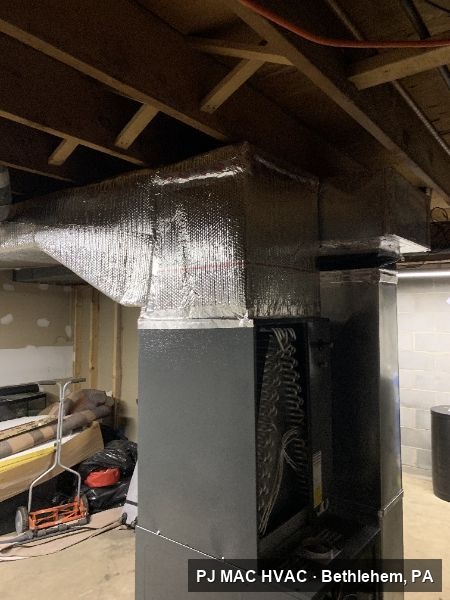
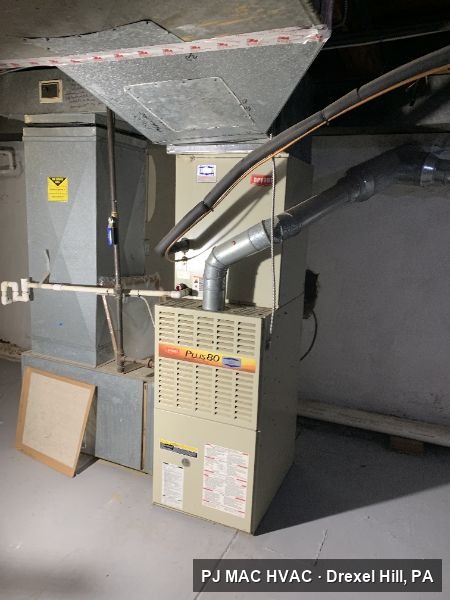
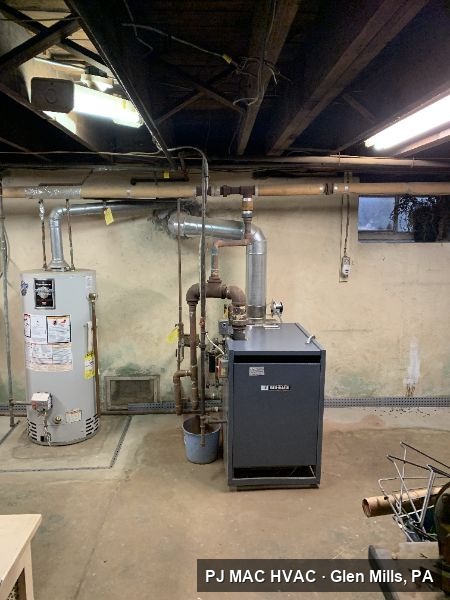
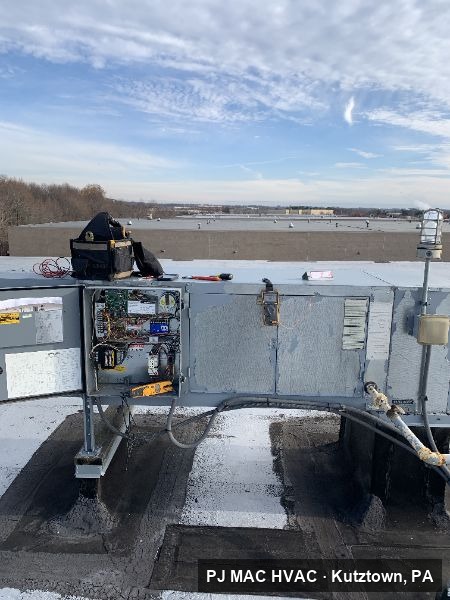
Thermostat Installation — recent jobs
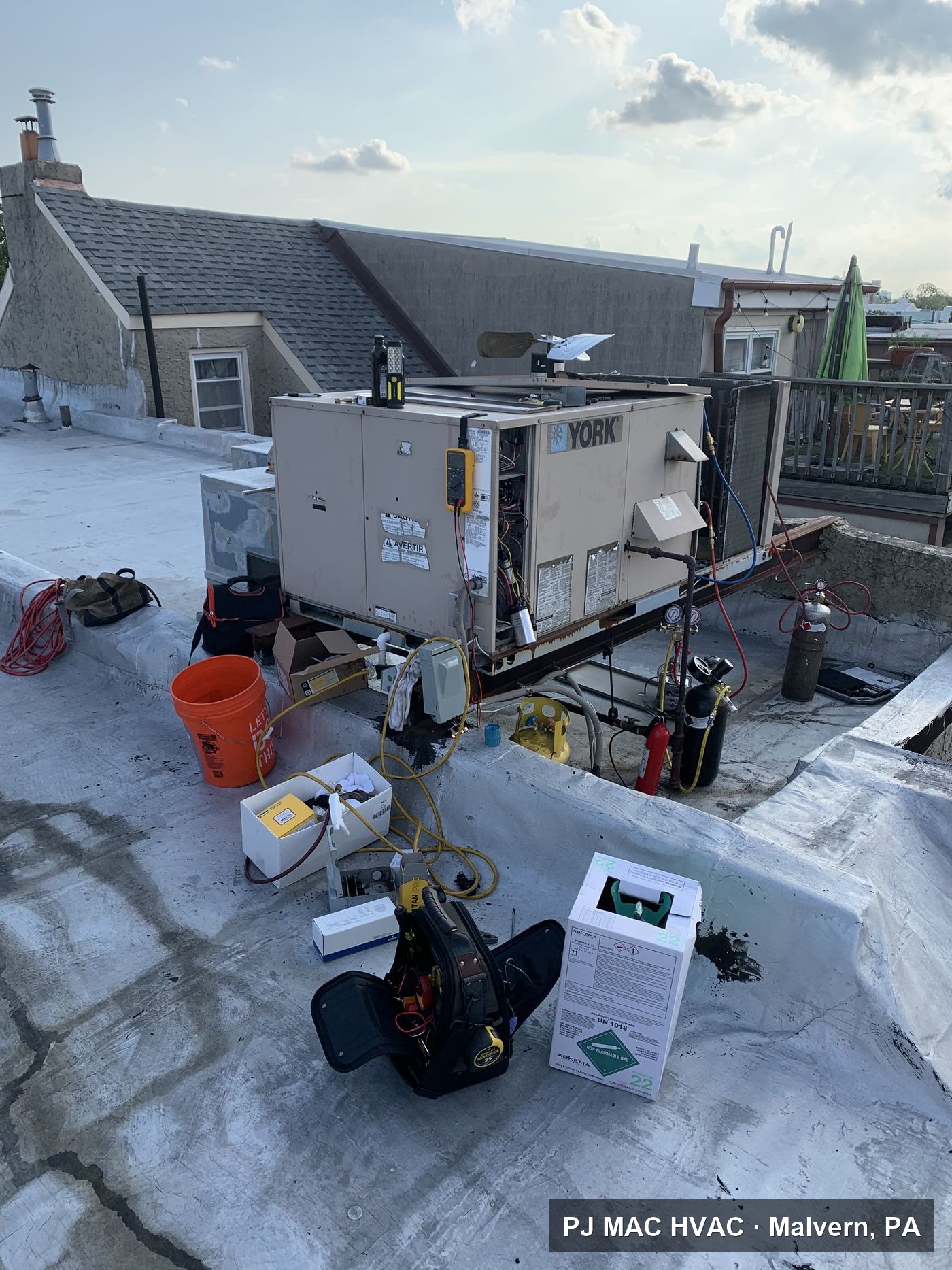
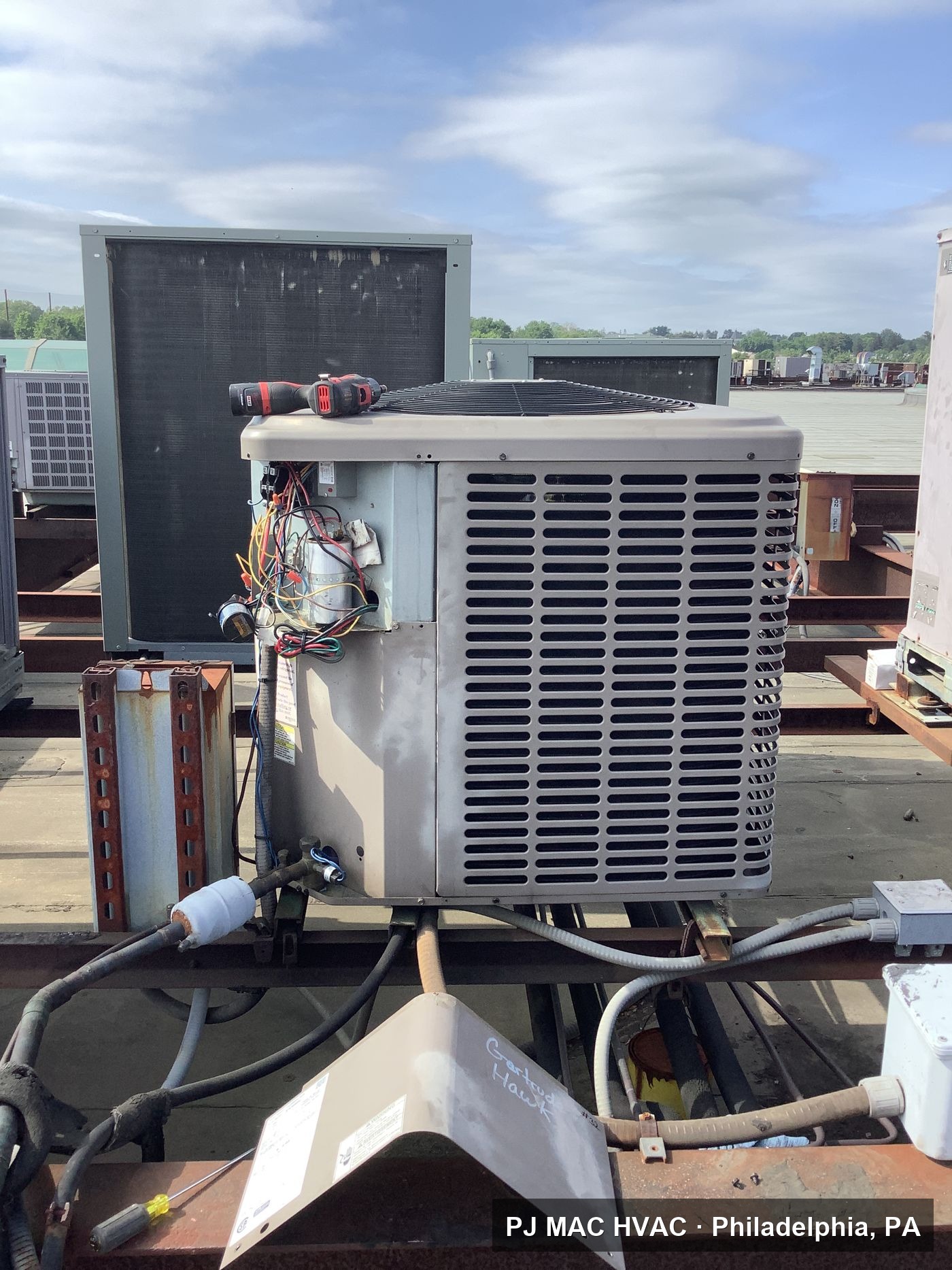
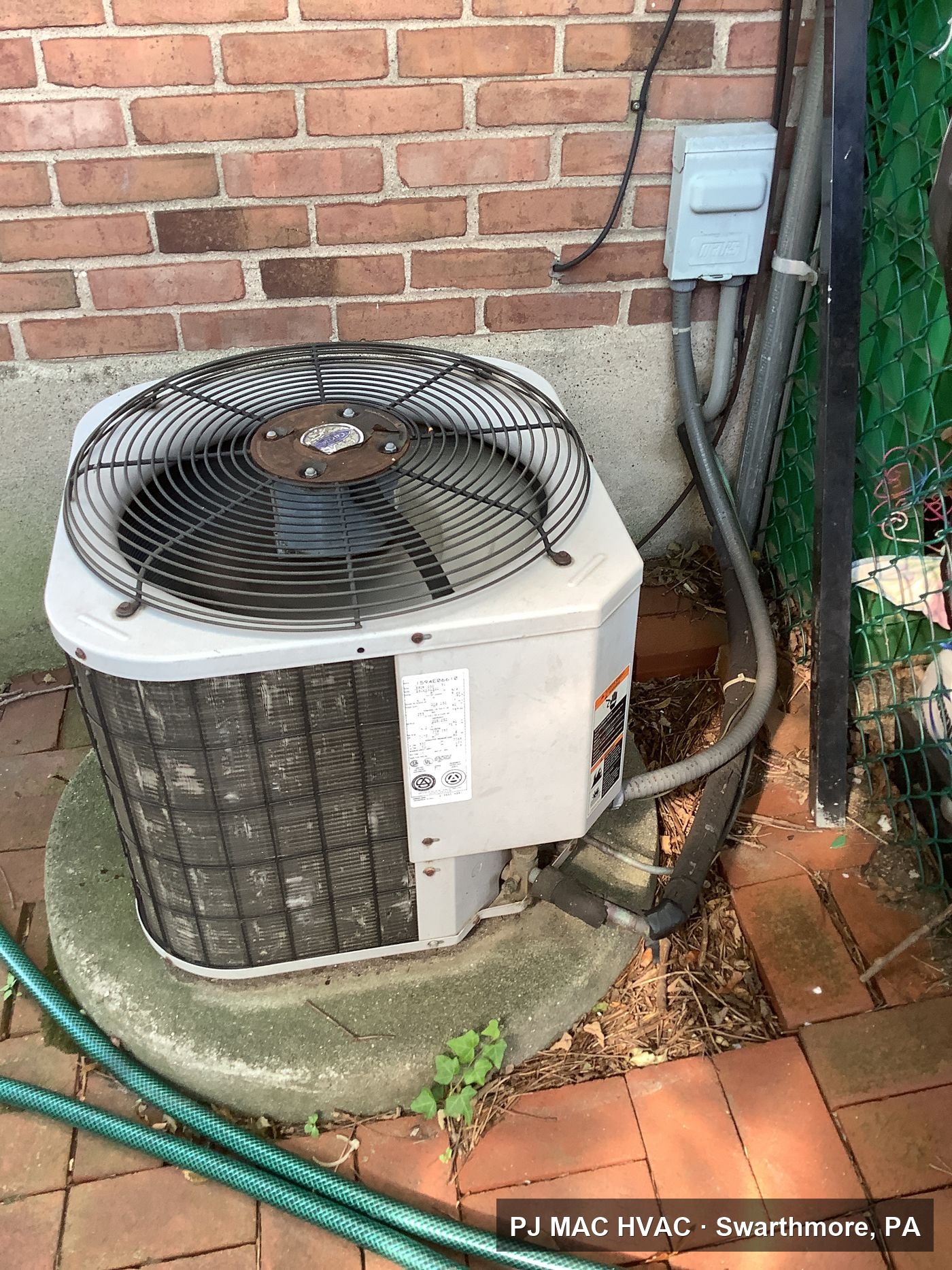
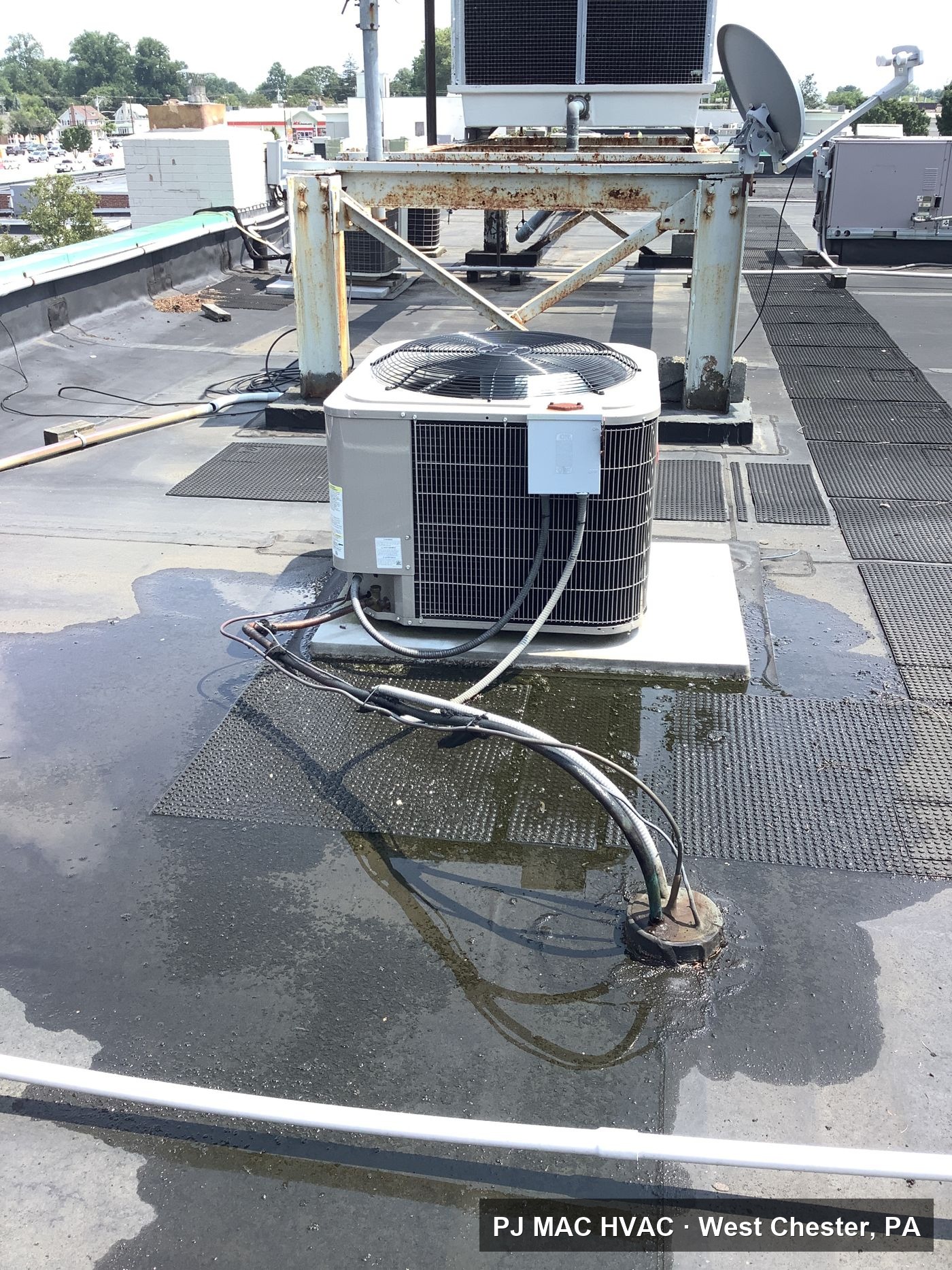
Real photos from our technicians, not stock imagery.