Greater Philadelphia & Southeastern PA
Duct Repair & Sealing
Sealing and replacing leaky, crushed or disconnected ductwork so conditioned air reaches the rooms you pay to heat and cool.
5.0 on Google
176 five-star reviews
Licensed & Insured
PA #PA157168 · NJ Master HVACR #19HC00595900 · EPA 608 certified
32+ Years Experience
Master HVAC technician
24/7 Emergency Service
We answer day & night
Family Owned
A Trade Flex company
A duct system is the only part of your HVAC equipment that touches every room in the building, and it is the part almost nobody looks at. When the ductwork leaks, the furnace or air handler you paid for is still doing its job — it is just delivering a large share of that conditioned air into an attic, a crawlspace, or the gap behind a finished wall. You feel it as rooms that never match the thermostat, as a system that runs constantly without satisfying, and as a utility bill that keeps climbing while the equipment is still under warranty.
PJ MAC HVAC repairs, seals and replaces residential and commercial ductwork across Greater Philadelphia and Southeastern Pennsylvania. We are a family owned and operated contractor, we answer the phone 24 hours a day, and estimates on duct replacement work are free.
Signs your ducts need repair rather than cleaning
Duct cleaning and duct repair get confused constantly, and the distinction matters because they solve different problems. Cleaning removes what has accumulated inside the duct. Repair fixes the duct itself. If you are dealing with dust, odors or allergy symptoms, cleaning is usually the answer. If you are dealing with comfort and cost, the duct is more likely damaged or leaking.
- ✓One or more rooms are always several degrees off from the rest of the house, in both heating and cooling season
- ✓Registers in the far rooms produce weak airflow even with the blower on high
- ✓Energy bills have climbed without a change in habits, equipment or rates
- ✓The system short-cycles or runs continuously without reaching the setpoint
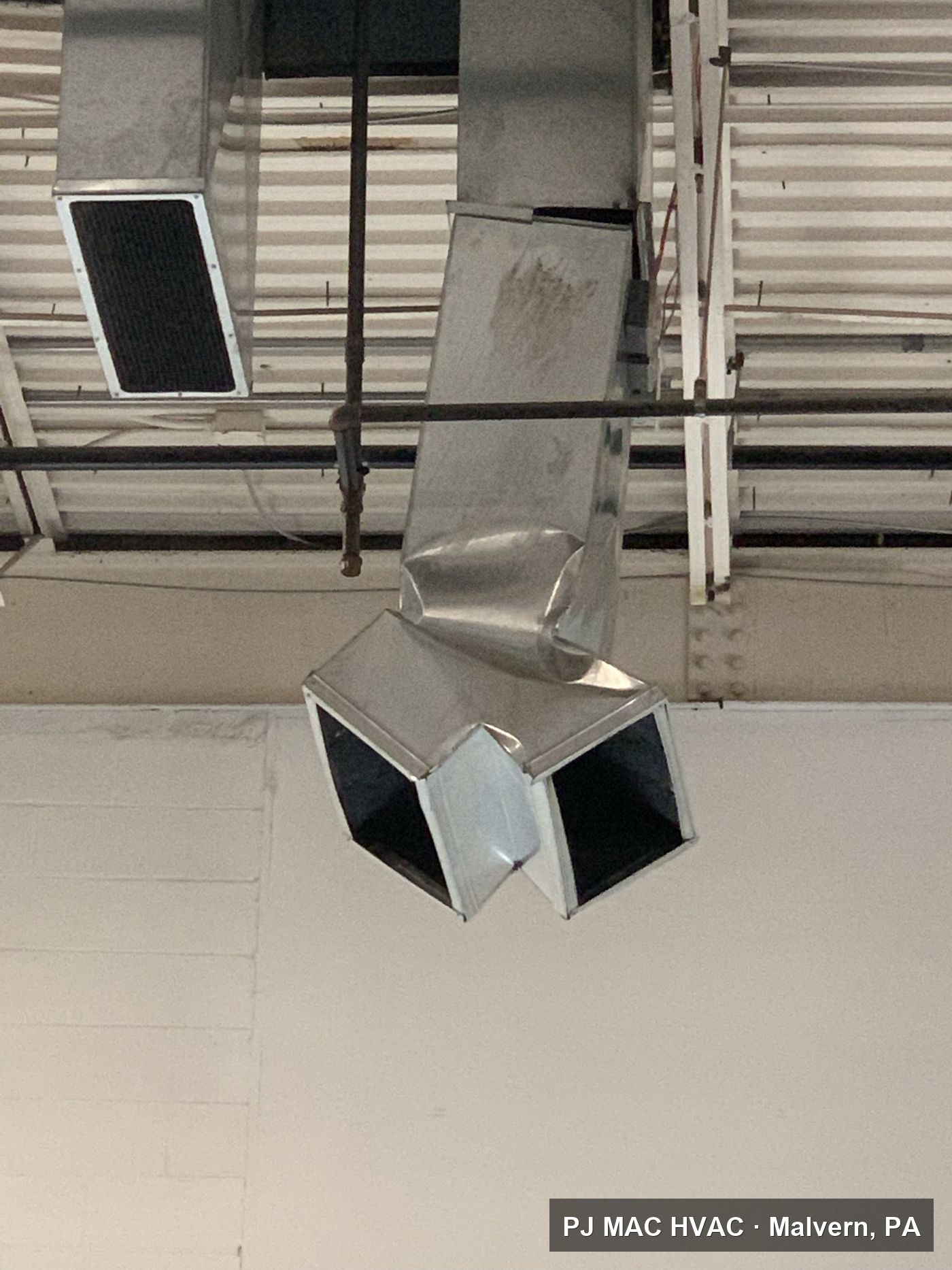
- ✓Visible gaps, disconnected joints, crushed flex duct or hanging insulation in the basement, attic or crawlspace
- ✓A whistling or roaring sound near the air handler when the system starts
- ✓Rooms above a garage, over a porch, or in an addition are noticeably harder to condition
What duct leakage actually costs
Duct leakage is measured, not guessed. A duct system in a typical older home loses a meaningful fraction of its airflow to leaks at the seams, at the plenum connections and at the boot-to-floor transitions, and every cubic foot lost is air your equipment already paid to heat or cool. In an unconditioned attic the loss compounds: supply leaks dump conditioned air where it does nothing, and return leaks pull attic air — hot, humid, dusty, and in summer often 130°F or more — directly into the air you breathe.
That return-side leakage is the part homeowners underestimate. A leaking return does not just waste money, it changes what is in your indoor air. It is a common reason a house stays dusty a few weeks after a thorough duct cleaning: the cleaning worked, but the system is still drawing unfiltered attic or crawlspace air in behind the filter.
How we diagnose a duct problem
We start at the equipment and work outward, because a duct complaint is sometimes an equipment or a design complaint wearing a disguise. A blower set to the wrong speed tap, an undersized return, or a filter so restrictive it is starving the system will all produce the same weak-airflow symptom as a disconnected duct.
- ✓Inspect the accessible duct runs in the basement, attic, crawlspace and mechanical closet
- ✓Check static pressure across the air handler to see whether the system is fighting the duct
- ✓Measure airflow at the problem registers and compare against the rooms that work
- ✓Camera-inspect concealed runs where access is limited before opening any finished surface
- ✓Identify whether the fault is leakage, a crushed or kinked run, a disconnected boot, an undersized return, or a design problem
- ✓Give you the findings and the options before any repair work starts
Sealing: what we use and why it matters
Duct sealing is only as durable as the material it is done with, and this is where a lot of repair work fails within a few years. Standard cloth duct tape — the product actually named duct tape — is one of the worst materials available for the job. It dries out, the adhesive releases, and the joint you paid to seal reopens.
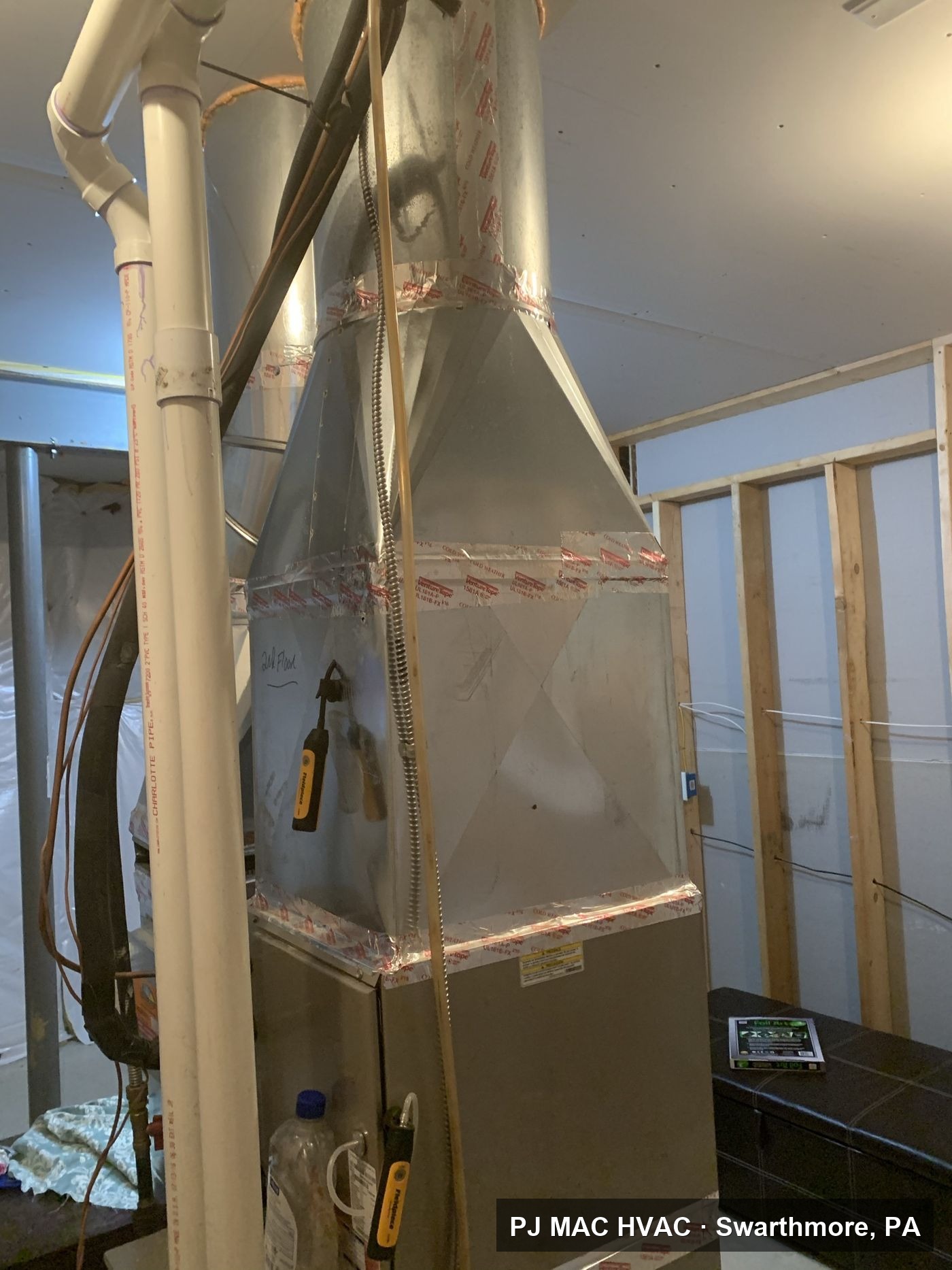
We seal with Hardcast mastic sealant and Nashua foil tape, both of which meet UL 181 standards for fire resistance and longevity. Mastic is brushed into the joint and cures to a flexible, permanent seal that moves with the duct as it expands and contracts through the seasons. Foil tape handles the seams and the collar connections where mastic alone is impractical. On rigid metal, on flex, and at the plenum takeoffs, the goal is the same: close the leak once, with a material rated to stay closed.
Repair, or replace?
Not every duct problem is worth repairing, and we will tell you when it is not. Sealing a fundamentally sound system is one of the highest-return improvements available in an older home. Repeatedly patching a system that was undersized from the start, or flex duct that has been crushed and re-crushed behind a finished ceiling, is money spent to keep a bad design alive.
Replacement makes more sense when the duct is unsalvageable — collapsed flex, corroded metal, insulation that has fallen off and been compressed for years — or when you are already replacing the furnace or air handler. Duct work is dramatically cheaper and cleaner to do while the equipment is out and the mechanical space is already open, which is why we look at the ductwork on every installation quote rather than treating it as a separate conversation.
Ductwork in Philadelphia-area housing stock
The Philadelphia region has an unusually wide range of duct situations because it has an unusually wide range of housing ages. City rowhomes frequently run duct through tight chases and converted closets with sharp transitions that restrict airflow long before anything leaks. Mid-century suburban homes across Delaware and Montgomery Counties often have original metal trunk-and-branch systems that are structurally fine but have never been sealed. Homes with finished basements commonly have ducts that were rerouted or boxed in during the finishing work, sometimes with runs crushed or disconnected behind the drywall. Additions and converted garages are their own category: the duct was often extended off a system that had no capacity left to give.
Older stone and masonry homes on the Main Line and through Chester County add another wrinkle, since retrofit duct in those houses tends to run long distances through unconditioned space to reach the rooms it serves. Those are the runs where sealing and insulation pay back fastest.
Commercial duct repair
We handle commercial ductwork as well as residential. In a commercial building the symptoms present differently — tenant complaints clustered in one zone, a rooftop unit that cannot hold setpoint, or spaces that will not balance no matter how the dampers are set. Duct leakage and duct damage are frequently underneath all three. Where the underlying issue is distribution rather than damage, air balancing is often the more appropriate service, and we will say so rather than selling a repair that will not fix the complaint.
Working with PJ MAC
PJ MAC HVAC is family owned and operated. Our owner, Doug, is a Master HVAC Technician with more than 32 years in the trade. We hold Pennsylvania Contractor License #PA157168 and New Jersey Master HVACR Contractor License #19HC00595900, and our technicians are EPA 608 certified. We service and install all major brands, including Lennox, Carrier, Trane and Goodman.
We answer calls 24 hours a day, seven days a week, and estimates on duct replacement and installation work are free. If you want to understand what your duct system is actually doing before you spend anything on it, that is a reasonable place to start — call us and we will come look at it.
Duct Repair & Sealing by City
Duct Repair & Sealing — Questions We Get
Do I need duct repair or duct cleaning?
Cleaning removes what has built up inside the duct and suits dust, odours and allergy symptoms. Repair fixes the duct itself and suits comfort and cost problems — rooms that never reach temperature, weak airflow, or bills that climbed without a reason. If you are unsure we will diagnose it before recommending either.
What do you use to seal ducts?
Hardcast mastic sealant and Nashua foil tape, both meeting UL 181 standards for fire resistance and longevity. We do not use cloth duct tape — its adhesive dries out and releases, which is why so many previously sealed joints are open again.
Can ductwork be repaired without opening walls?
Usually. Most faults are at the plenum, the accessible trunk, or at joints reachable from a basement, attic or crawlspace. For concealed runs we camera-inspect first so we know exactly where the fault is before anything is cut.
Is it better to repair or replace ductwork?
Sealing a fundamentally sound system is one of the highest-return improvements available in an older home. Repeatedly patching an undersized design, or flex duct that has been crushed and re-crushed behind a finished ceiling, is money spent keeping a bad design alive. We will tell you which you have.
Should I do duct work when I replace my furnace or AC?
If the duct needs it, yes. It is dramatically cheaper and cleaner while the equipment is out and the mechanical space is already open, which is why we look at ductwork on every installation quote.
How do I know if my ducts are leaking?
The usual signs are rooms several degrees off the rest of the house in both seasons, weak airflow at the far registers, energy bills that climbed without a change in habits, and visible gaps, disconnected joints or crushed flex duct in the basement, attic or crawlspace.
Related services
Duct Repair & Sealing Near You
Our Work
Duct Repair & Sealing — recent jobs
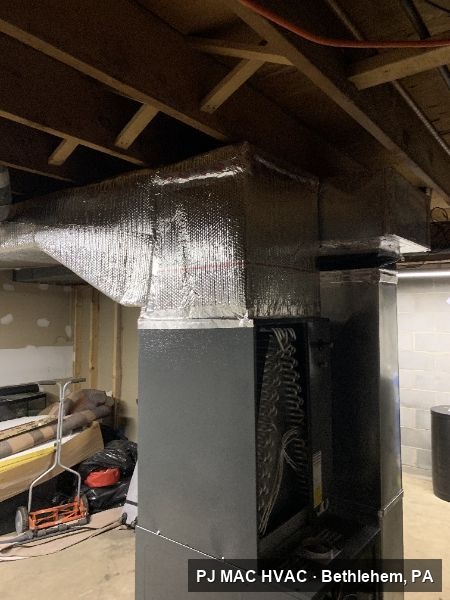
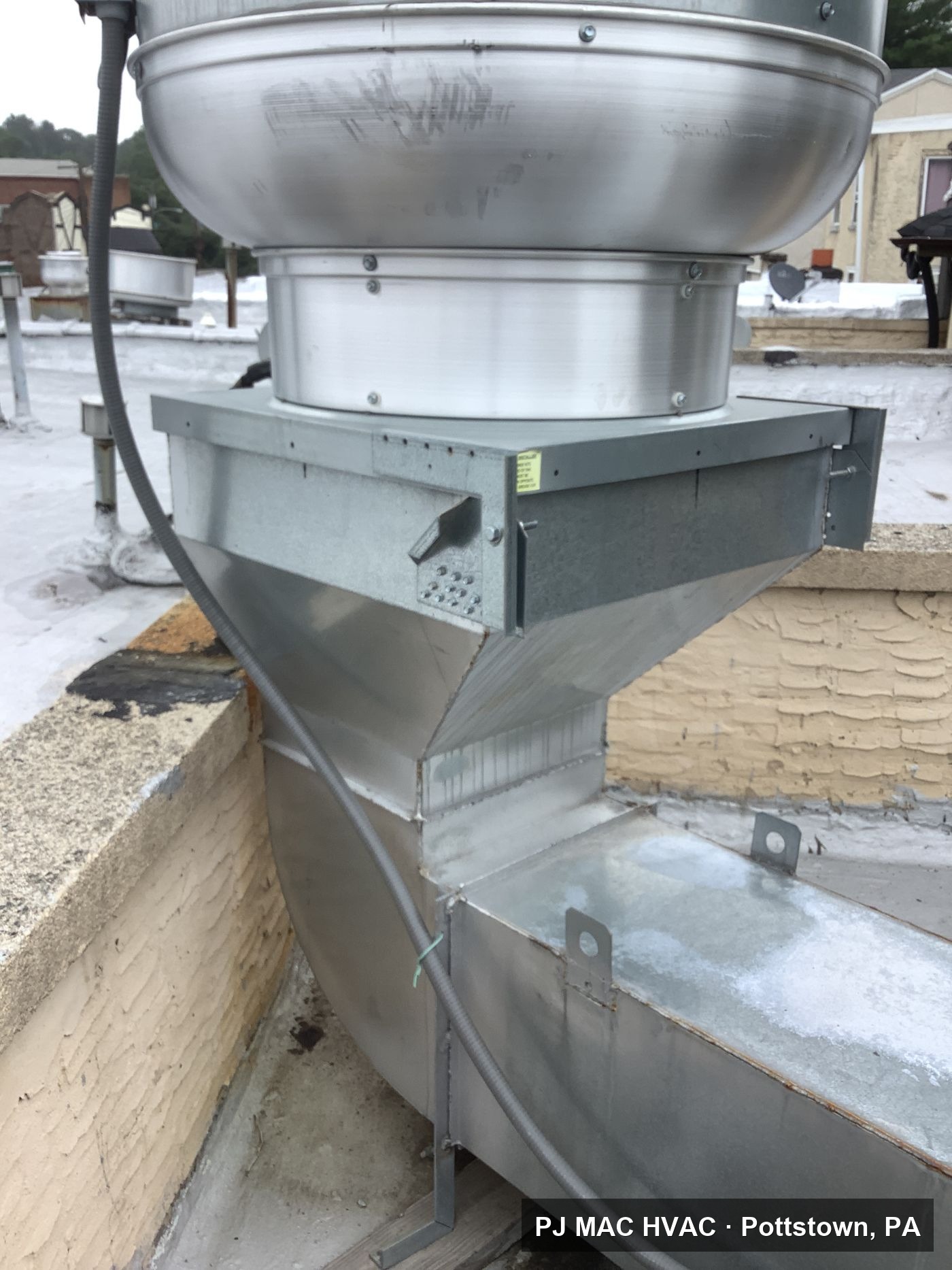
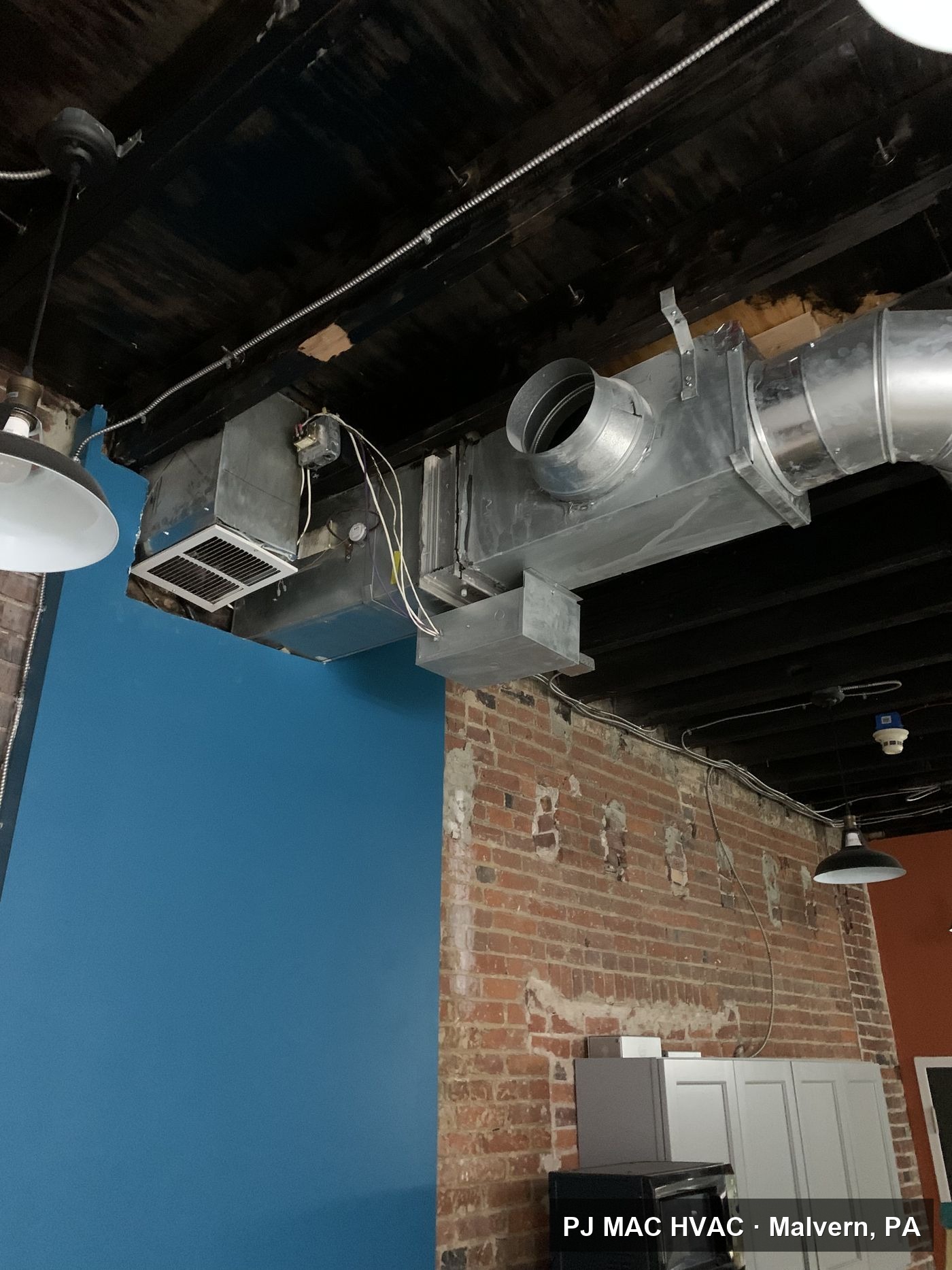
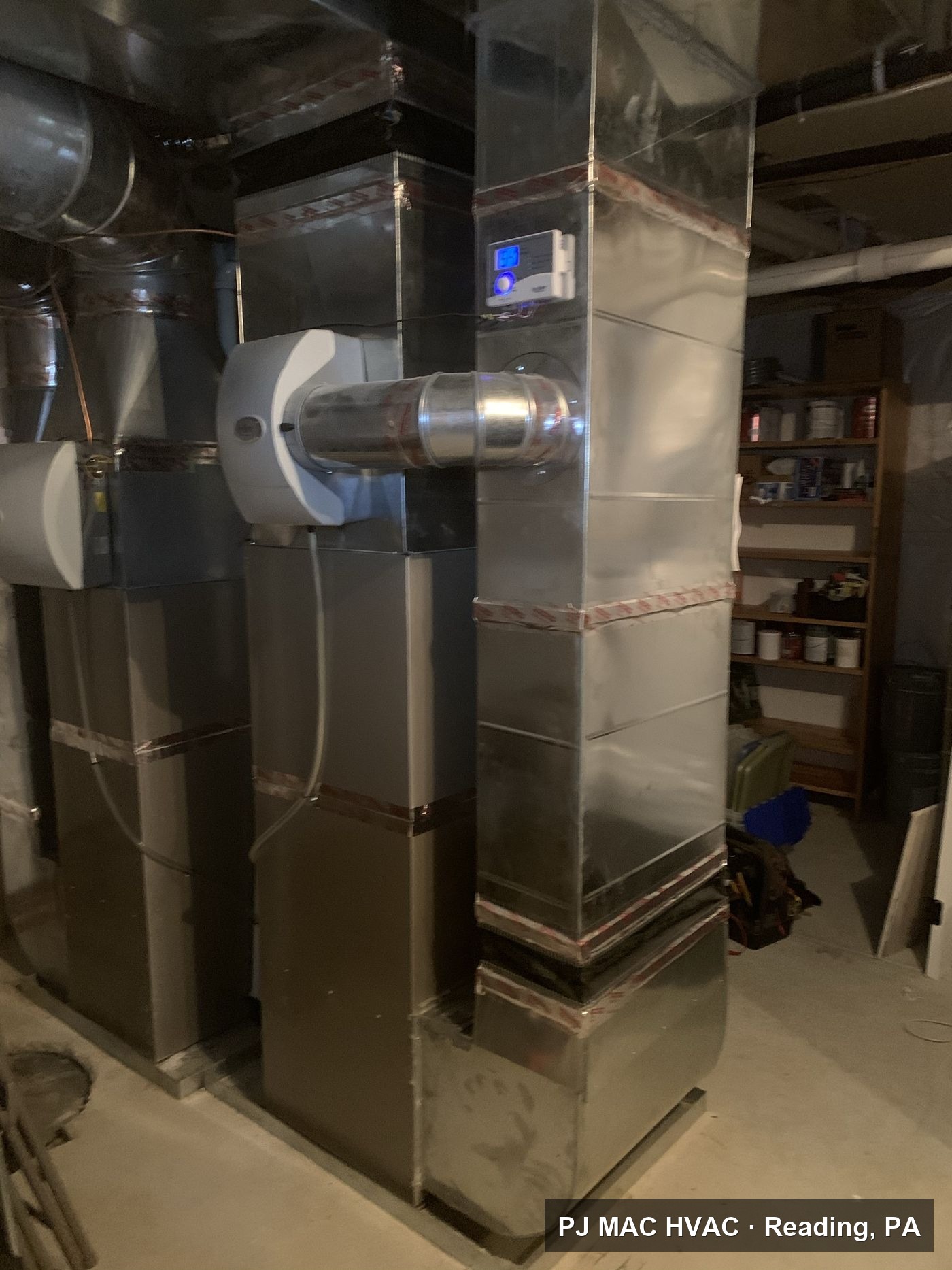
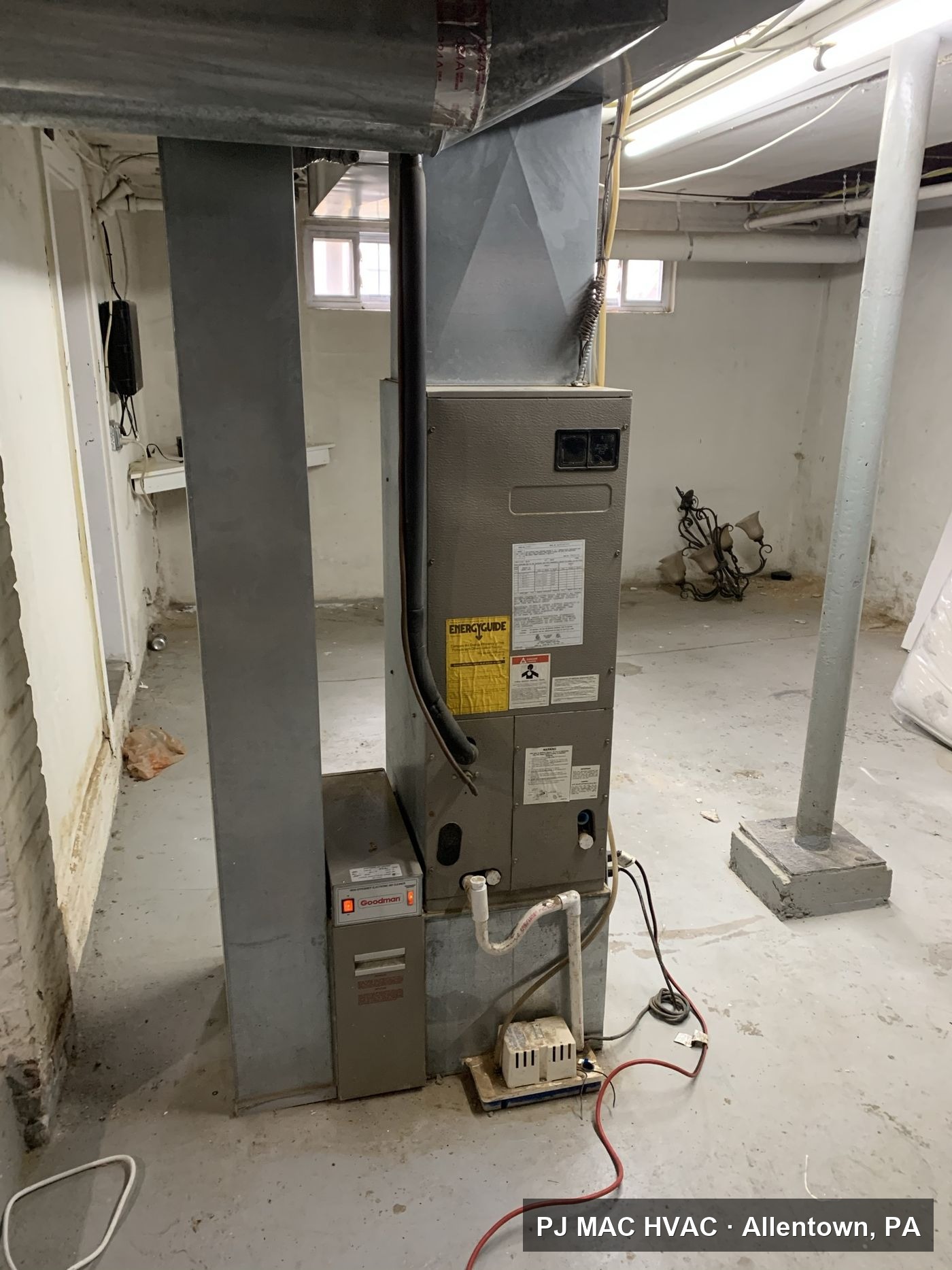
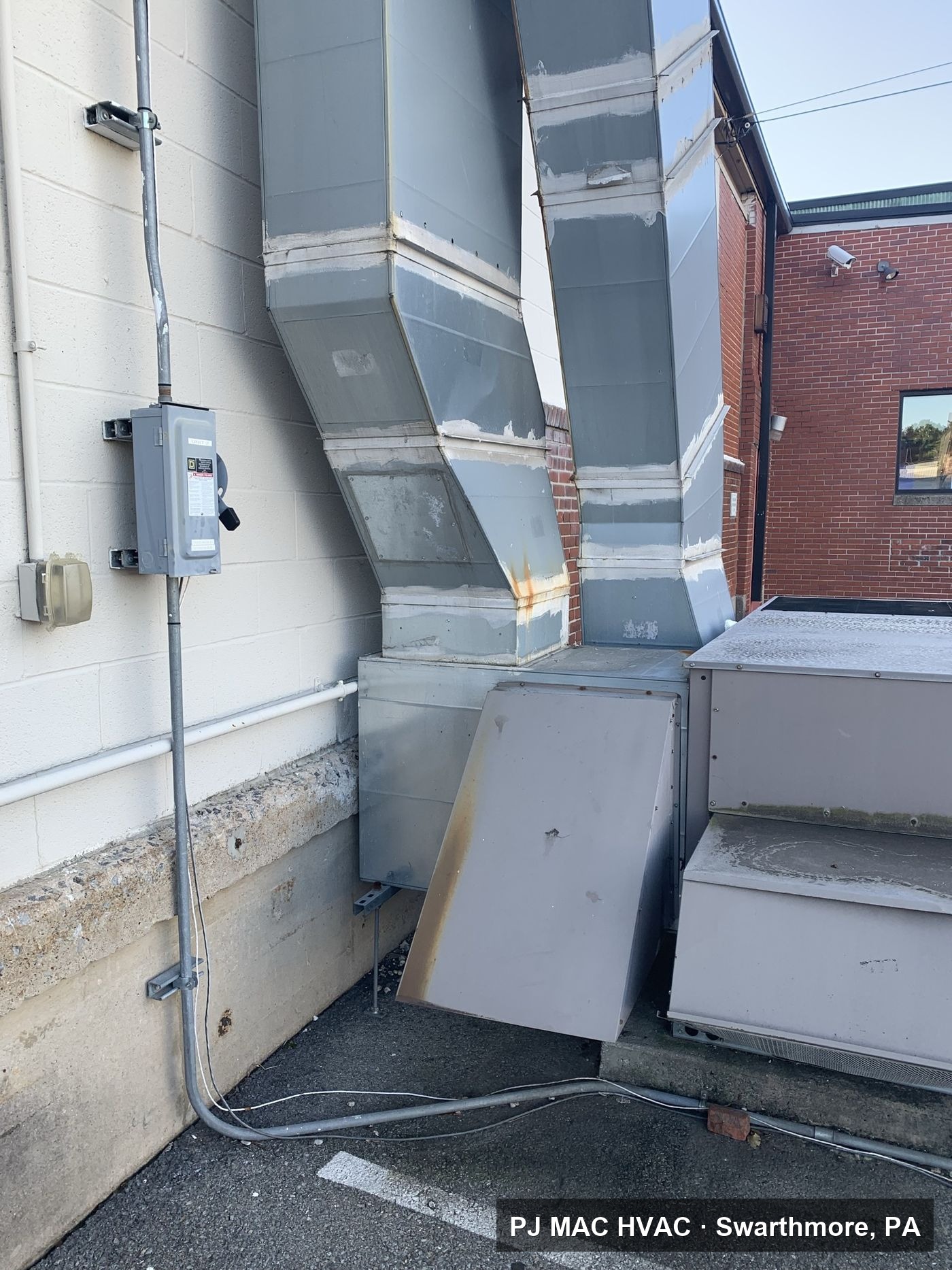
Real photos from our technicians, not stock imagery.