Greater Philadelphia & Southeastern PA
Heating & Furnace Repair
Emergency heating repair — furnaces, boilers and heat pumps.
5.0 on Google
176 five-star reviews
Licensed & Insured
PA #PA157168 · NJ Master HVACR #19HC00595900 · EPA 608 certified
32+ Years Experience
Master HVAC technician
24/7 Emergency Service
We answer day & night
Family Owned
A Trade Flex company
When heat fails in a Pennsylvania winter it is not a maintenance item, it is an emergency, and it is treated that way. PJ MAC answers the phone 24 hours a day, seven days a week, from eighteen locations across Southeastern Pennsylvania — Philadelphia, Delaware, Chester, Montgomery, Bucks, Berks, Lehigh and Northampton Counties.
We repair gas and oil furnaces, boilers and hydronic systems, and heat pumps, on every major brand including Lennox, Carrier, Trane and Goodman. We are family owned and operated, we hold Pennsylvania Contractor License #PA157168 and New Jersey Master HVACR Contractor License #19HC00595900, and our technicians are EPA 608 certified.
The safety check comes first, every time
Before anything else, we inspect the heat exchanger and the venting. This is not a formality and it is not an upsell — it is the part of a heating call that can matter more than the repair itself.
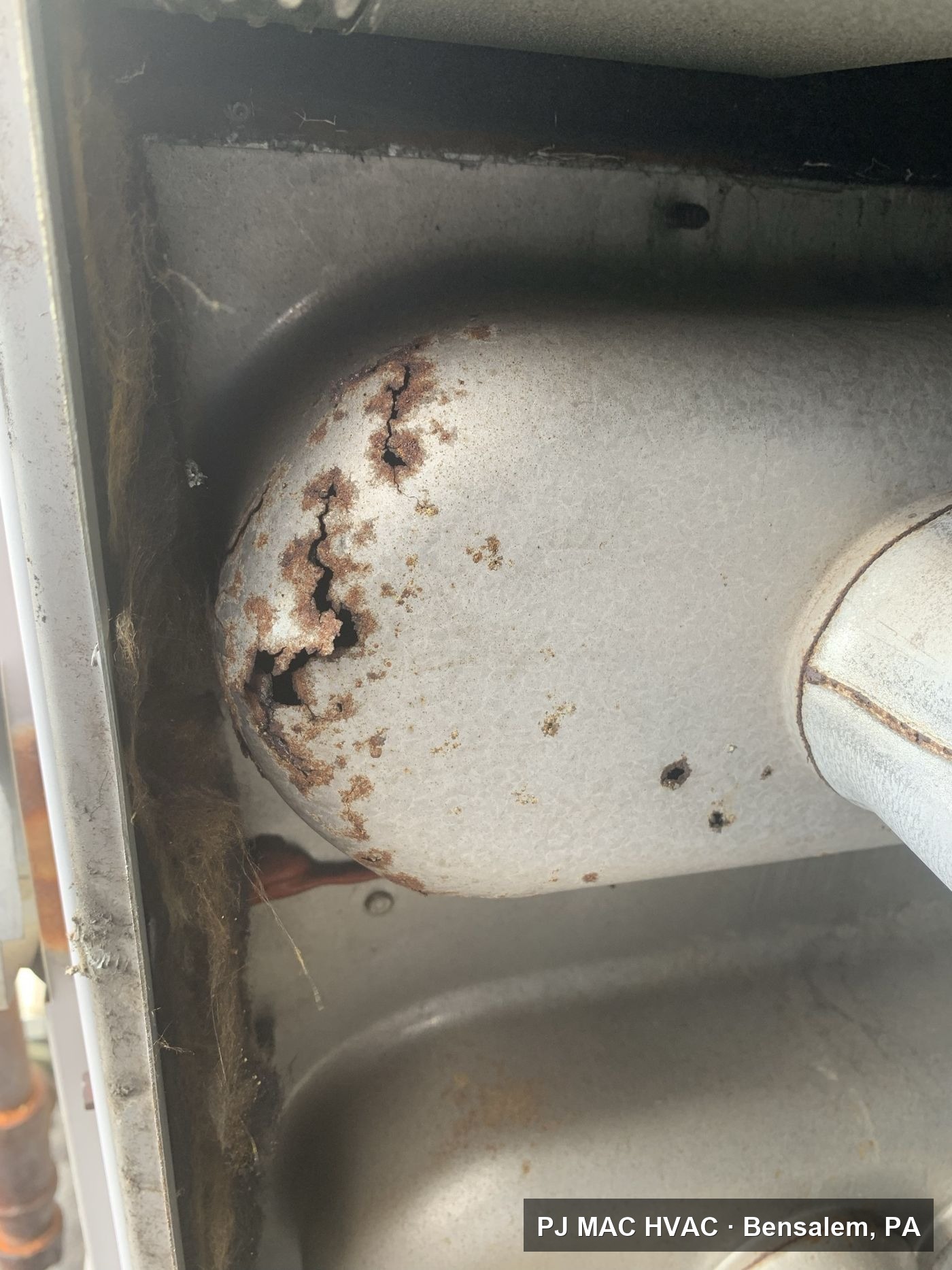
A cracked heat exchanger allows combustion gases, including carbon monoxide, into the air circulating through your house. It is not a repairable component in isolation; a cracked exchanger means the furnace has to be replaced. Where we find one we red-tag the appliance and explain exactly what we found and why it cannot safely be run. We would rather have that difficult conversation than leave a family running an unsafe appliance.
Venting matters just as much, particularly in older Philadelphia and Delaware County housing where equipment frequently vents into an original masonry chimney. An unlined, oversized or deteriorated flue prevents combustion gases leaving the building reliably, and the risk compounds if the exchanger is also compromised.
What actually fails
The majority of no-heat calls come down to a short list, and most of them are inexpensive parts. Knowing what they are helps you understand the diagnosis rather than taking it on faith.
- ✓Hot surface ignitor — by a wide margin the single most common cause of no heat. The furnace tries to light, cannot, and locks out
- ✓Flame sensor fouling — the burner lights and shuts down within seconds because the control cannot confirm the flame. Usually a cleaning, not a part
- ✓Pressure switch faults — often traced to a blocked, sagging or improperly pitched vent pipe rather than the switch itself
- ✓Limit switch trips — the furnace is overheating because it cannot move enough air, and the switch is protecting it. This is an airflow problem, not a furnace problem
- ✓Condensate blockage — high-efficiency condensing furnaces produce acidic water continuously and lock out when the trap, drain or pump blocks
- ✓Blower motor and capacitor failure
- ✓Thermocouple and pilot faults on older standing-pilot equipment
Short-cycling is an airflow problem
A furnace that fires, runs for a few minutes and shuts off repeatedly is one of the most common complaints we get, and it is one of the most commonly misdiagnosed. The furnace is almost never failing on its own account. It is overheating because it cannot move enough air across the heat exchanger, and the limit switch is doing exactly what it was designed to do.
The cause is usually a filter that has not been changed, a return that is undersized or blocked by furniture, or duct problems in a home where cooling and heating were retrofitted into a structure that had no plan for them. Replacing parts on a short-cycling furnace without correcting the airflow buys you a few weeks. If your system is short-cycling, it is worth having the ductwork looked at as part of the diagnosis.
Heat pumps
Heat pumps are common across lower Bucks County and in newer construction throughout the region, and they generate a different set of calls. The most frequent one is not a failure at all — it is a homeowner discovering what auxiliary heat costs after a cold week.
When outdoor temperatures fall far enough a heat pump loses capacity and the backup electric strips take over. That is normal. What is worth diagnosing is a system running auxiliary heat when it should not be, which points to a refrigerant charge problem, a failed defrost control, or a thermostat configured incorrectly. Any of those will put a heat pump on expensive backup heat far more than necessary.
Owners also call about steam coming off the outdoor unit with cool air from the registers. That is normally the defrost cycle working correctly. An outdoor unit iced solid that never clears is a genuine fault and needs attention before it damages the compressor.
Boilers and hydronic heat
Plenty of older homes across the Main Line, Jenkintown and the Philadelphia rowhome stock still run hot water heat, and boilers fail differently from furnaces. Circulator pumps seize, expansion tanks waterlog, air enters the loop and knocks out an upstairs zone, and low-water cutoffs stick.
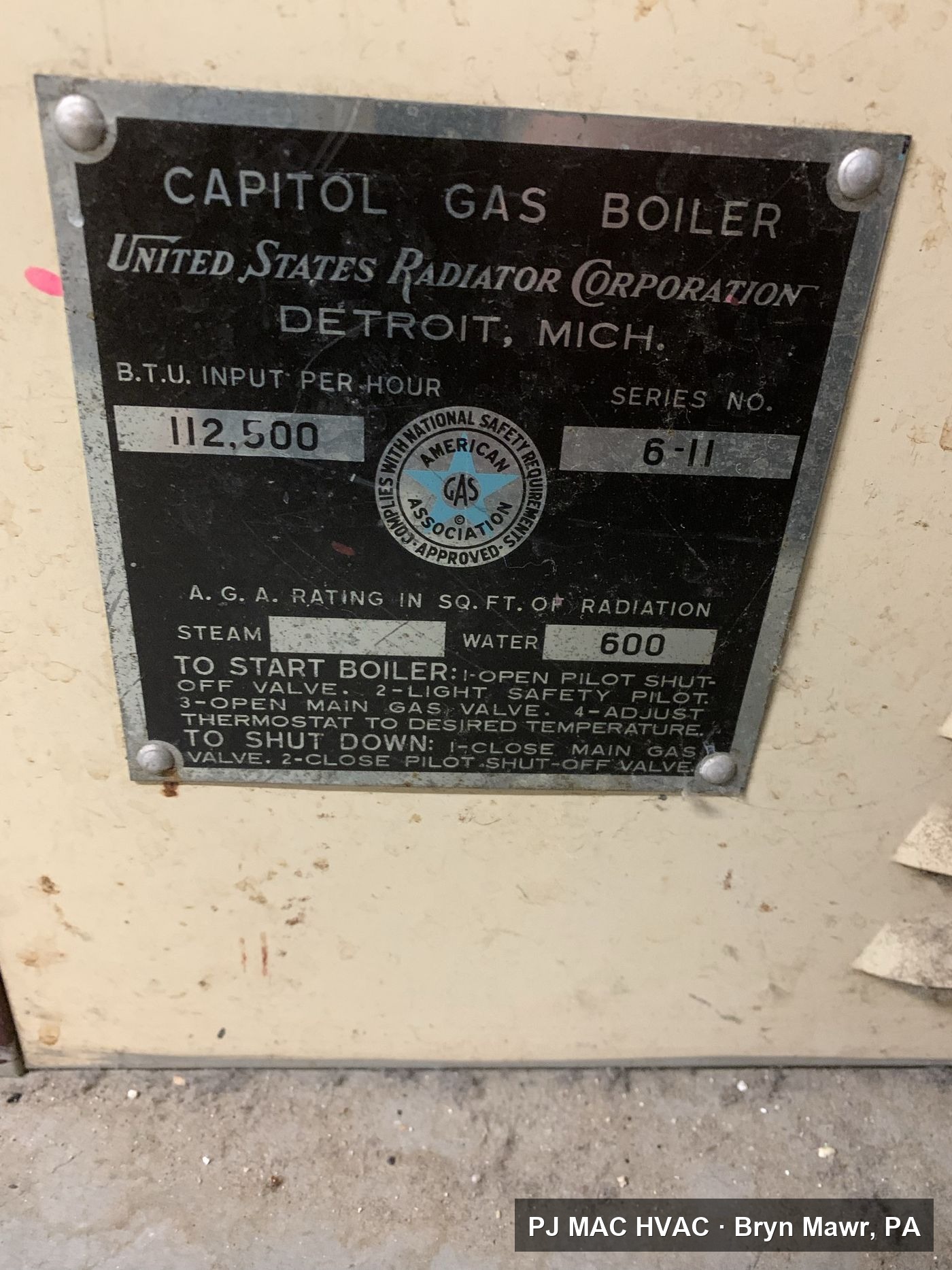
None of that is exotic and all of it is repairable. A well-maintained cast iron boiler can run for decades, so age alone is a poor reason to replace one. Where a zone is cold and the rest of the house is fine, the fault is almost always in that zone — a zone valve, a circulator, or trapped air — rather than in the boiler itself, and diagnosing the zone first avoids condemning working equipment.
Repair or replace
We will give you the honest comparison. An ignitor, a flame sensor or a capacitor on a ten- or fifteen-year-old furnace is worth fixing without hesitation. A failing heat exchanger, or a major component on equipment old enough that parts availability is uncertain, is a different conversation.
What we will not do is use the age of your equipment as a lever. Plenty of twenty-five-year-old furnaces are mechanically sound and worth maintaining, and telling an owner otherwise because the label is old is not honest. Where replacement genuinely is the better value, estimates are free and we are not tied to a single manufacturer, so what we recommend is not shaped by a dealer agreement.
Heating & Furnace Repair by City
Heating & Furnace Repair — Questions We Get
My heat is out. How quickly can someone come?
We answer 24 hours a day, seven days a week, and no-heat calls in winter are treated as emergencies. With eighteen locations across Southeastern Pennsylvania we are usually close by. When you call we will give you a realistic window rather than an optimistic one.
My furnace turns on and off every few minutes. Is it broken?
That is short-cycling, and the furnace is usually fine — it is overheating because it cannot move enough air, and the limit switch is protecting it. The cause is normally a dirty filter, a blocked or undersized return, or a duct problem. Replacing parts without fixing the airflow just repeats the failure.
The furnace lights and then shuts off after a few seconds.
That is the classic dirty flame sensor symptom. The burner lights but the control cannot confirm the flame, so it shuts the gas off for safety. It is usually a cleaning rather than a replacement and it is an inexpensive fix.
You said my heat exchanger is cracked. Can it be repaired?
No. A cracked heat exchanger lets combustion gases into the air circulating through your home, and it is not a repairable component on its own — it means replacing the furnace. We will explain exactly what we found and why the appliance cannot safely run.
Why did my electric bill jump this winter?
If you have a heat pump, that is usually auxiliary heat running more than it should. A refrigerant charge problem, a failed defrost control or a misconfigured thermostat will all push the system onto backup electric strips unnecessarily. It is expensive to leave alone and straightforward to diagnose.
Do you work on boilers and oil heat as well as gas furnaces?
Yes — gas and oil furnaces, boilers and hydronic zones, and heat pumps. Oil equipment needs different attention: nozzle and filter replacement, correctly gapped electrodes, and combustion set with instruments rather than by eye.
My furnace is 25 years old. Should I just replace it?
Not automatically. What matters is the condition of the heat exchanger and venting and what has actually failed, not the number on the label. Plenty of furnaces that age are mechanically sound and worth maintaining. We will give you a straight assessment either way, and replacement estimates are free.
One radiator or one zone never gets hot.
On a hydronic system that almost always points to a zone valve, a circulator, or air trapped in that loop rather than the boiler. It is a common complaint on older systems and normally an inexpensive fix once diagnosed correctly.
Related services
Heating & Furnace Repair Near You
Our Work
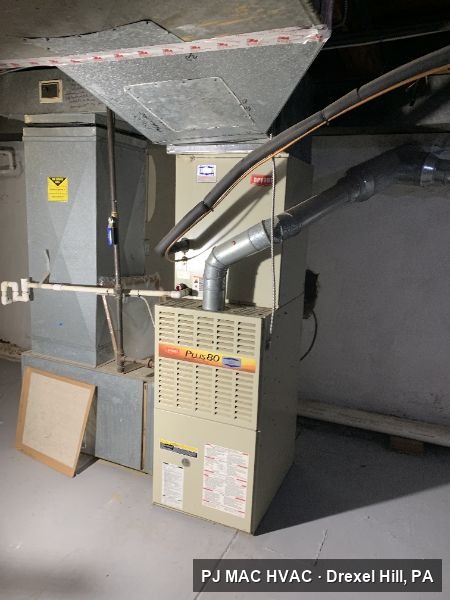
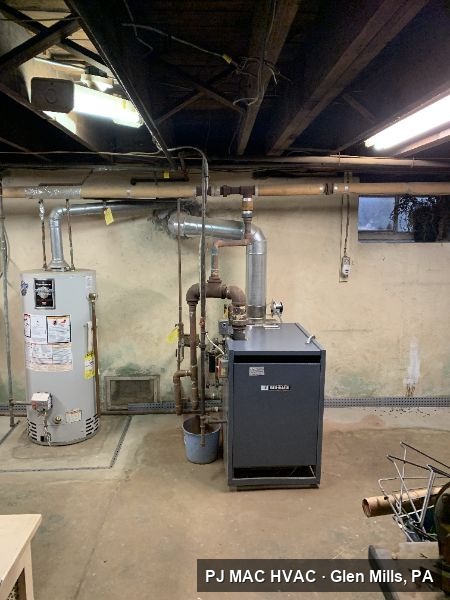
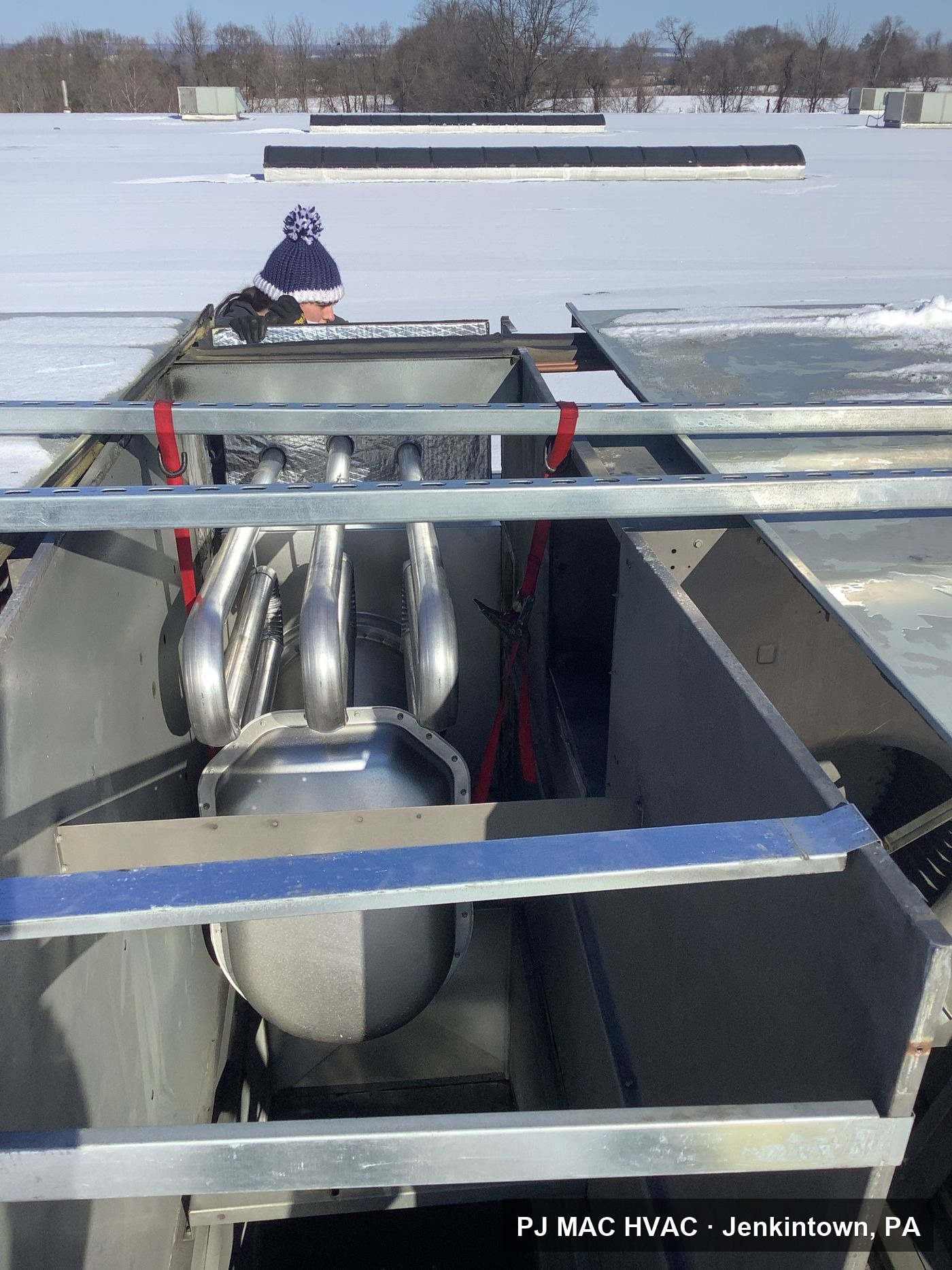
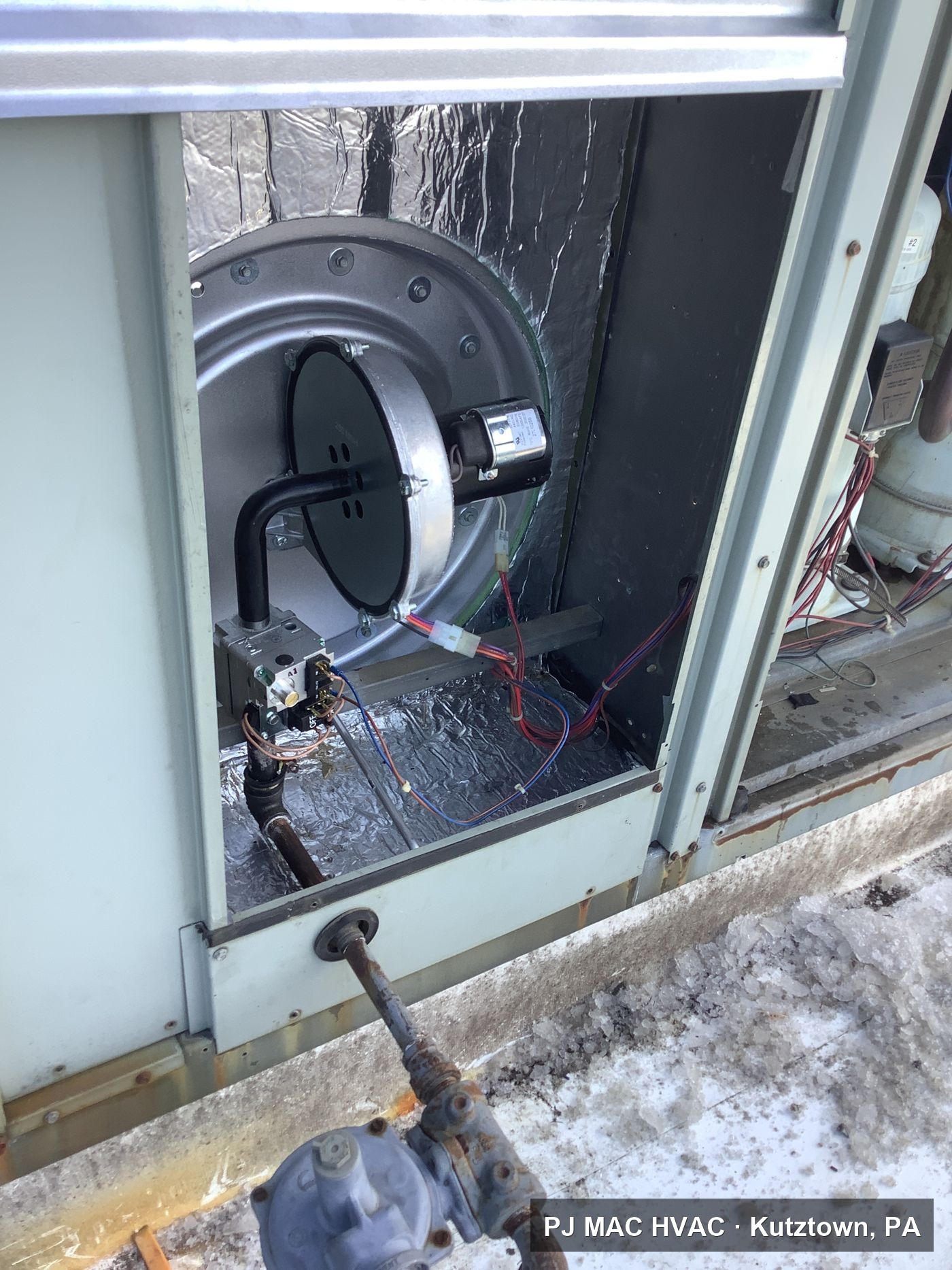
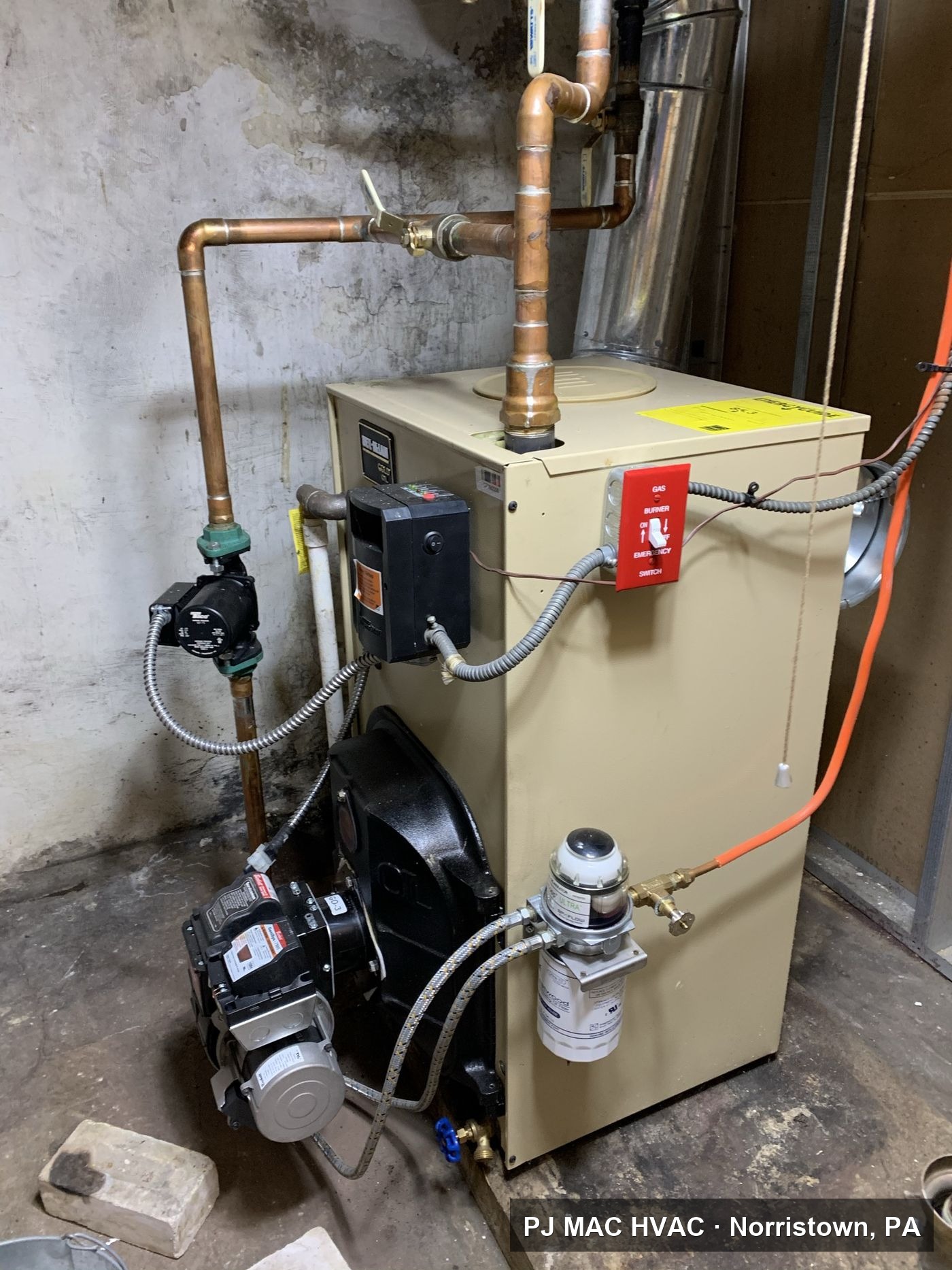
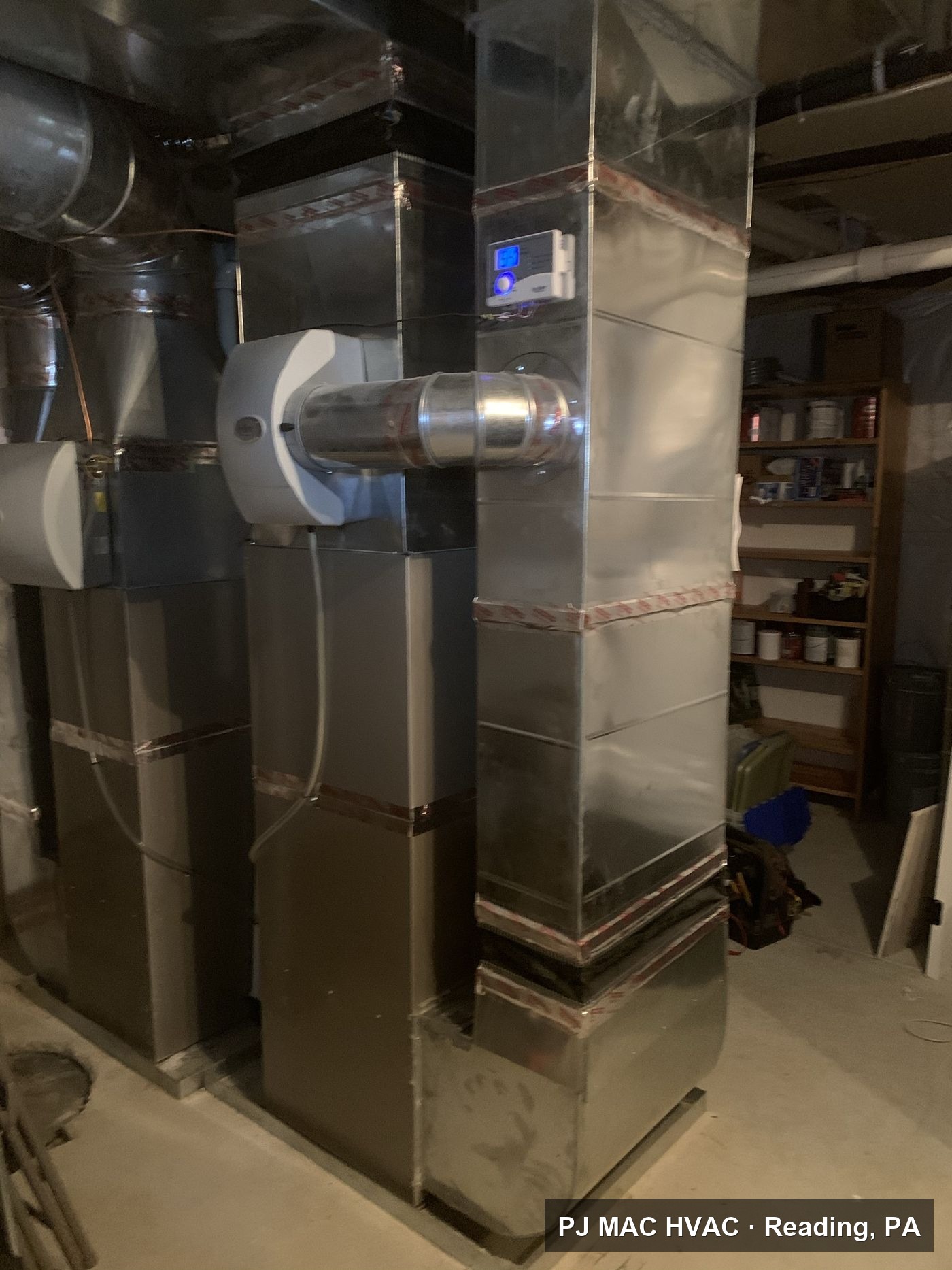
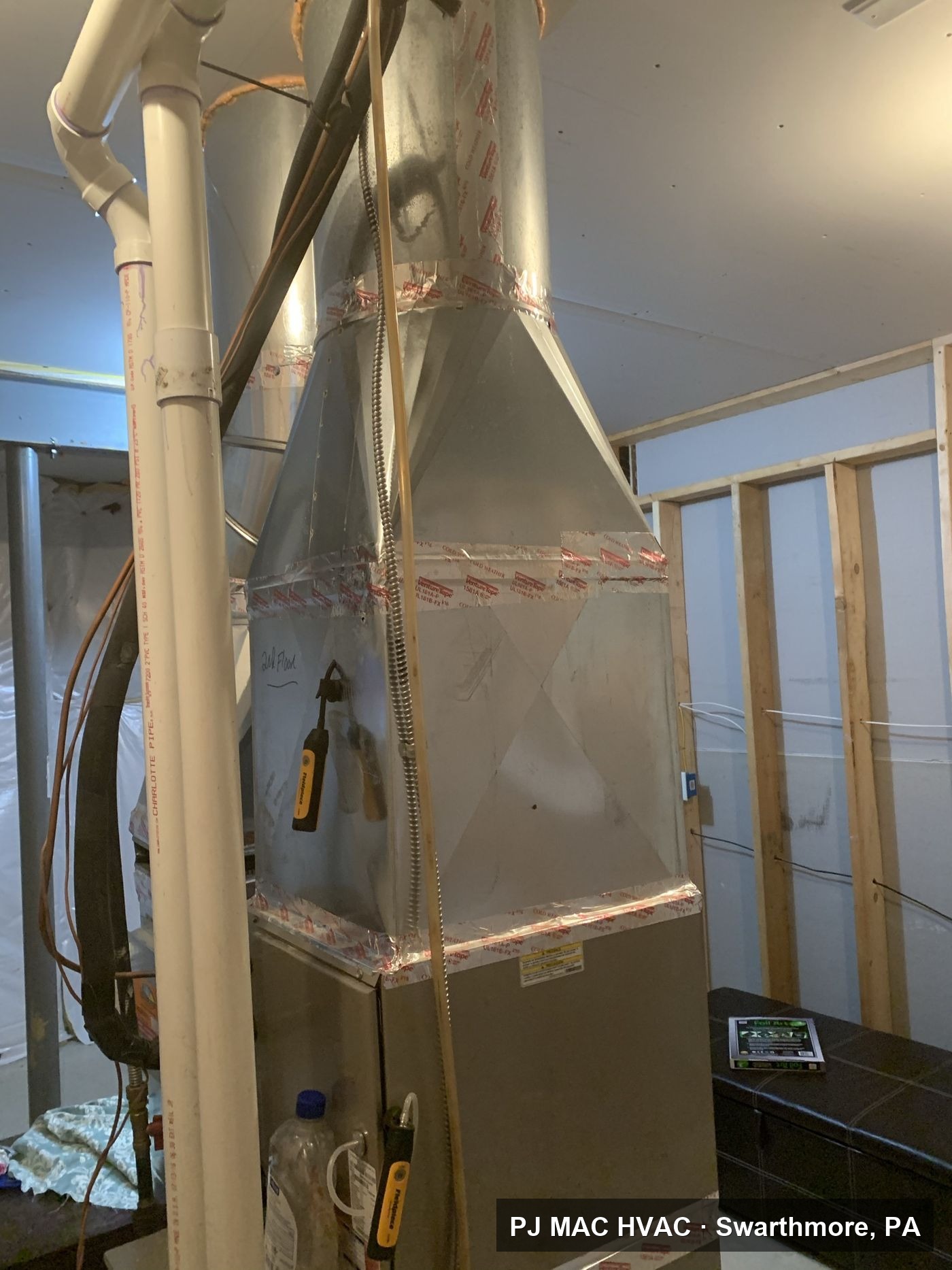
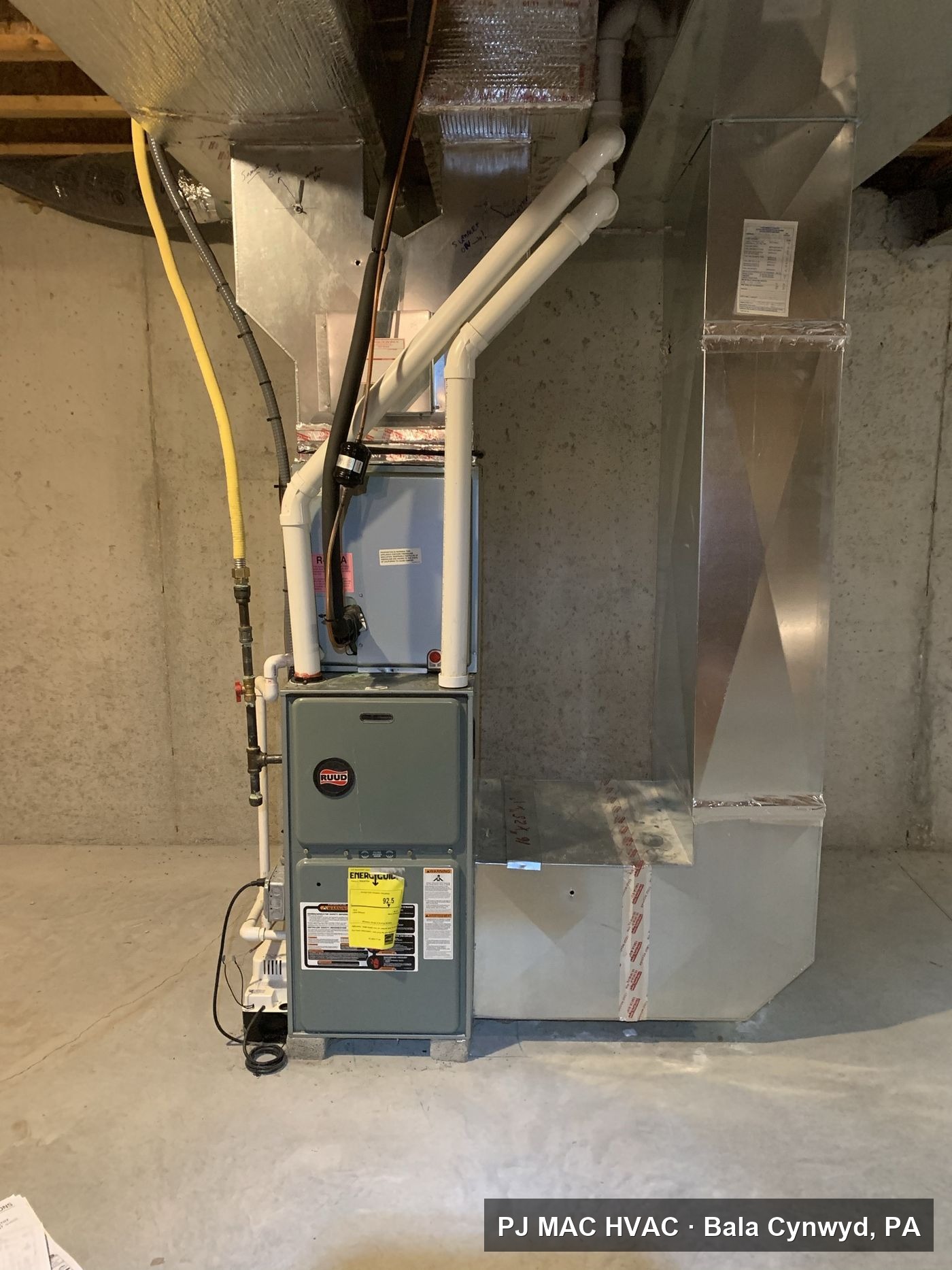
Heating & Furnace Repair — recent jobs
Real photos from our technicians, not stock imagery.