Greater Philadelphia & Southeastern PA
AC Installation
Free install estimates on Lennox, Carrier, Trane, Goodman and more.
5.0 on Google
176 five-star reviews
Licensed & Insured
PA #PA157168 · NJ Master HVACR #19HC00595900 · EPA 608 certified
32+ Years Experience
Master HVAC technician
24/7 Emergency Service
We answer day & night
Family Owned
A Trade Flex company
Replacing an air conditioner is the largest single HVAC decision most homeowners make, and it is the one where the quality of the installation matters more than the brand on the box. A correctly sized, properly installed mid-range system will outperform premium equipment that was oversized and connected to duct nobody looked at.
PJ MAC installs central air conditioning across Greater Philadelphia and Southeastern Pennsylvania — Philadelphia, Delaware, Chester, Montgomery, Bucks, Berks, Lehigh and Northampton Counties. Estimates are free and we are not a single-manufacturer dealer, so what we recommend is not shaped by a dealer agreement. We install Lennox, Carrier, Trane, Goodman and others.
Sizing: the decision that determines everything else
The most consequential number in an installation is capacity, and the most common mistake in this trade is oversizing. It is worth understanding why, because the instinct runs the other way.
An oversized air conditioner cools the air quickly, satisfies the thermostat, and shuts off — before it has run long enough to remove humidity from the house. The result is a home that is cold and clammy rather than comfortable, cycling on and off constantly, wearing its compressor through repeated starts, and delivering worse comfort than a smaller unit would have. Bigger is not a margin of safety. It is a performance penalty you pay for the life of the equipment.
We size from a load calculation on the actual building — its insulation, glazing, orientation and air sealing — rather than matching the outgoing unit. That distinction matters because the outgoing unit was frequently oversized too, and matching it simply carries someone else's mistake forward. In a great many older homes the correct system is smaller than the one being removed, which usually costs less as well.
We look at the duct before we quote the equipment
New equipment does not fix a distribution problem. If a room has never cooled properly, a larger or more efficient system pushes against exactly the same restriction and the room stays uncomfortable — now with a bigger invoice attached.
Cooling also places a higher airflow demand on ductwork than heating does, so a duct system that heats a house adequately can still underperform on cooling. That surprises people whose heat has always been fine.
So the duct, the return path and the electrical supply are part of every estimate. Where sealing or modification is needed to deliver the performance you are paying for, we tell you before the installation rather than after. Doing that work while the equipment is out and the mechanical space is open costs substantially less than returning for it later, which is why duct repair and sealing is frequently quoted alongside a replacement.
Repair or replace
There is no single age at which a system should be replaced, and we will not pretend otherwise. A capacitor, contactor or fan motor on a ten- or fifteen-year-old unit is worth repairing without hesitation.
The calculation changes with a failed compressor, a significant refrigerant leak on an aging system, or equipment still running R-22 — which has been out of production long enough that the refrigerant cost alone can make a major repair uneconomic. We will give you the comparison honestly rather than using the phaseout as a lever to sell equipment.
Where central air is not the right answer
If your home has no ductwork, or adding it would mean surrendering closet space on every floor, a ductless mini-split system is usually the better solution and we will say so. The same applies to a single problem room — an addition, a converted attic, a sunroom — where the honest fix is dedicated equipment for that space rather than a larger central system trying to overcome the distribution.
Efficiency, and whether it pays
Higher-efficiency equipment costs more up front and less to run. Whether the trade works depends on how long you plan to stay in the house, how many hours you actually run cooling, and the real price gap between the specific units in front of you.
We present options at more than one efficiency level with those numbers rather than defaulting to the top of the range. On a house you intend to sell in three years the premium rarely returns; on a long-term home in a full-sun exposure it often does.
What the estimate includes
- ✓A load calculation on the building rather than a like-for-like capacity match
- ✓Assessment of the existing duct, return air path and electrical supply
- ✓Outdoor unit placement reviewed for clearance and airflow — significant on the narrow lots common in Havertown, Drexel Hill and the Philadelphia rowhome stock
- ✓Equipment options at more than one efficiency level with the trade-offs explained plainly
- ✓Removal and disposal of the old equipment
- ✓A clear written scope so you can compare quotes on the same basis rather than guessing at what each includes
AC Installation by City
AC Installation — Questions We Get
Is a bigger air conditioner better?
No — oversizing is the most common installation mistake in the trade. An oversized unit cools quickly, satisfies the thermostat and shuts off before it has run long enough to remove humidity, leaving the house cold and clammy. It also short-cycles, which wears the compressor through repeated starts.
Do you just match the size of my old unit?
No. We run a load calculation on the actual building, because the outgoing unit was frequently oversized itself and matching it carries that mistake forward. In many older homes the correct system is smaller than the one being removed, which usually costs less too.
Will a new system fix my weak second-floor cooling?
Usually not on its own. If the duct or return is the limiting factor, new equipment pushes against the same restriction. Cooling also demands more airflow than heating, so duct that heats a house adequately can still underperform on cooling. We assess the duct as part of every estimate.
When should I replace instead of repair?
A capacitor, contactor or fan motor on a ten- or fifteen-year-old system is worth repairing. A failed compressor, a significant leak on aging equipment, or a system still running R-22 changes the calculation — the refrigerant cost alone can make a major R-22 repair uneconomic. We will give you the comparison honestly.
My house has no ductwork. What are my options?
A ductless mini-split system is usually the better answer, and we will tell you that rather than selling a central system. The same applies to a single problem room like an addition or converted attic, where dedicated equipment beats a larger central system fighting the distribution.
Is high-efficiency equipment worth the extra cost?
It depends on how long you plan to stay, how many hours you run cooling, and the actual price gap between the specific units. On a house you will sell in three years the premium rarely returns; on a long-term home with full-sun exposure it often does. We present options at more than one level with the numbers.
Does the location of the outdoor unit matter?
Yes, and it is expensive to move later. A condenser boxed into a tight space recirculates its own hot discharge air, runs at higher pressure and costs more to operate for the life of the equipment. On the narrow lots common in Havertown, Drexel Hill and the city rowhome stock, this is a real design decision.
Are estimates free?
Yes. You get a written scope covering sizing, duct and electrical assessment, equipment options and old-equipment removal, so you can compare quotes on the same basis.
Related services
AC Installation Near You
Our Work
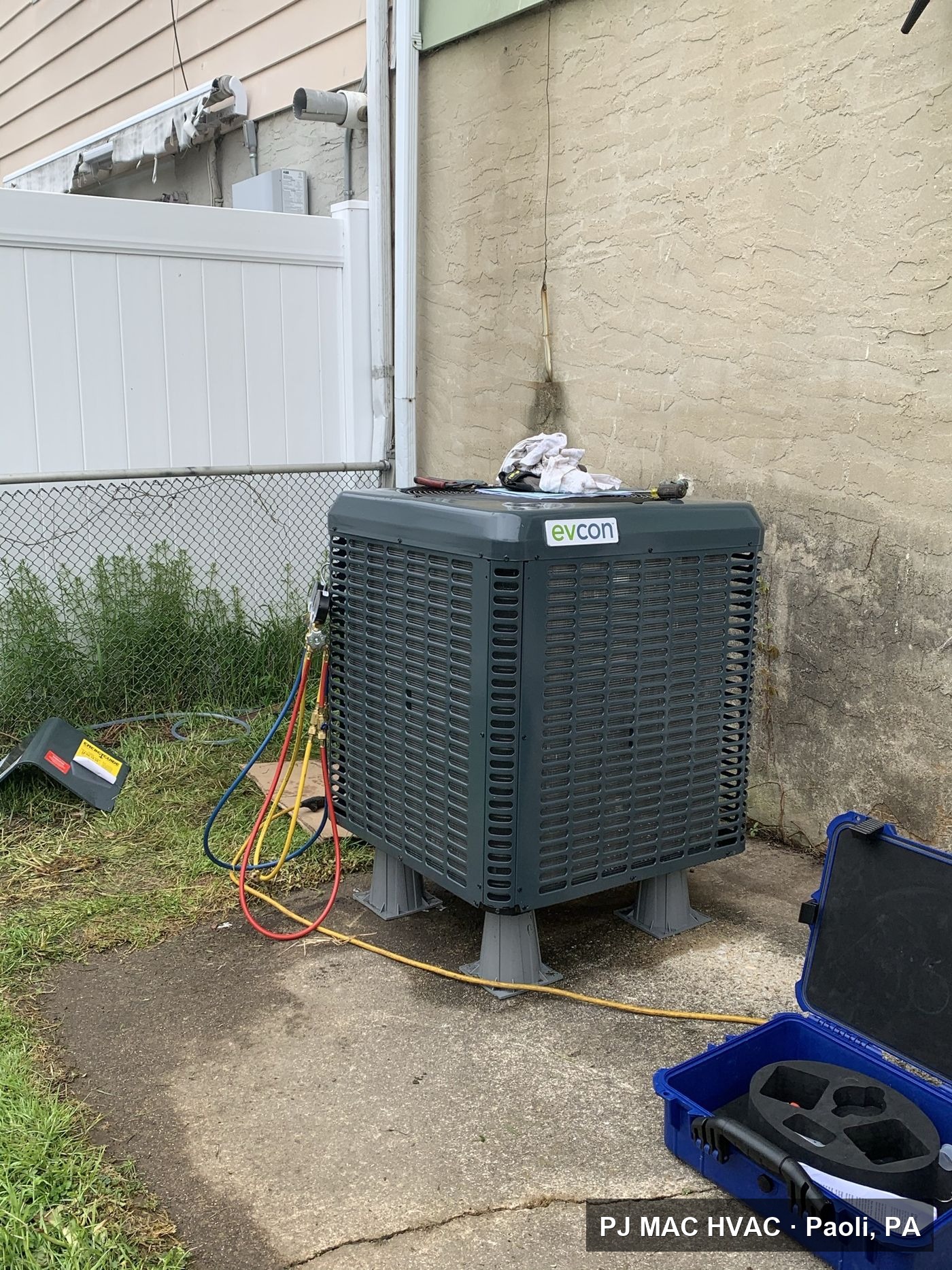
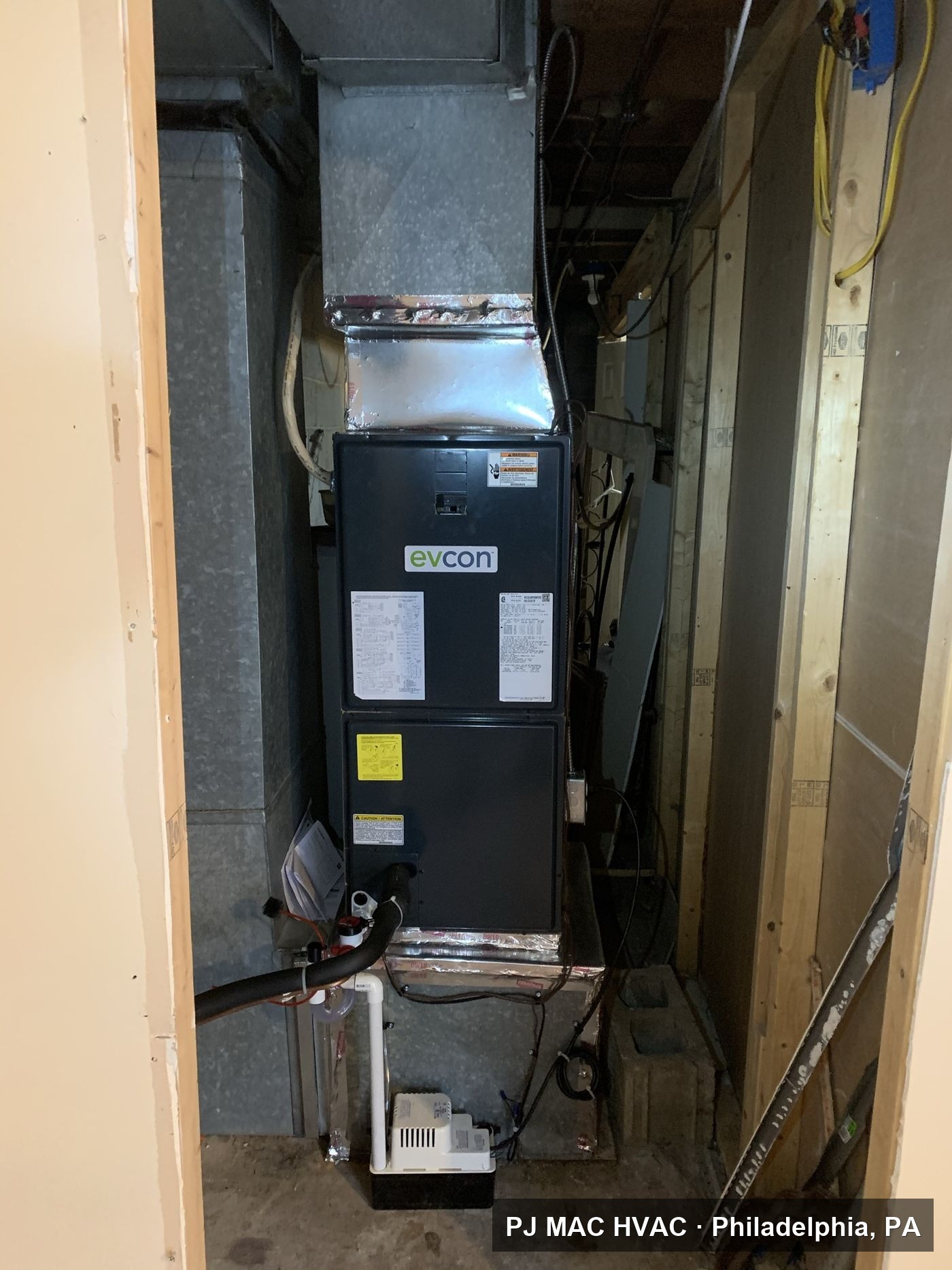
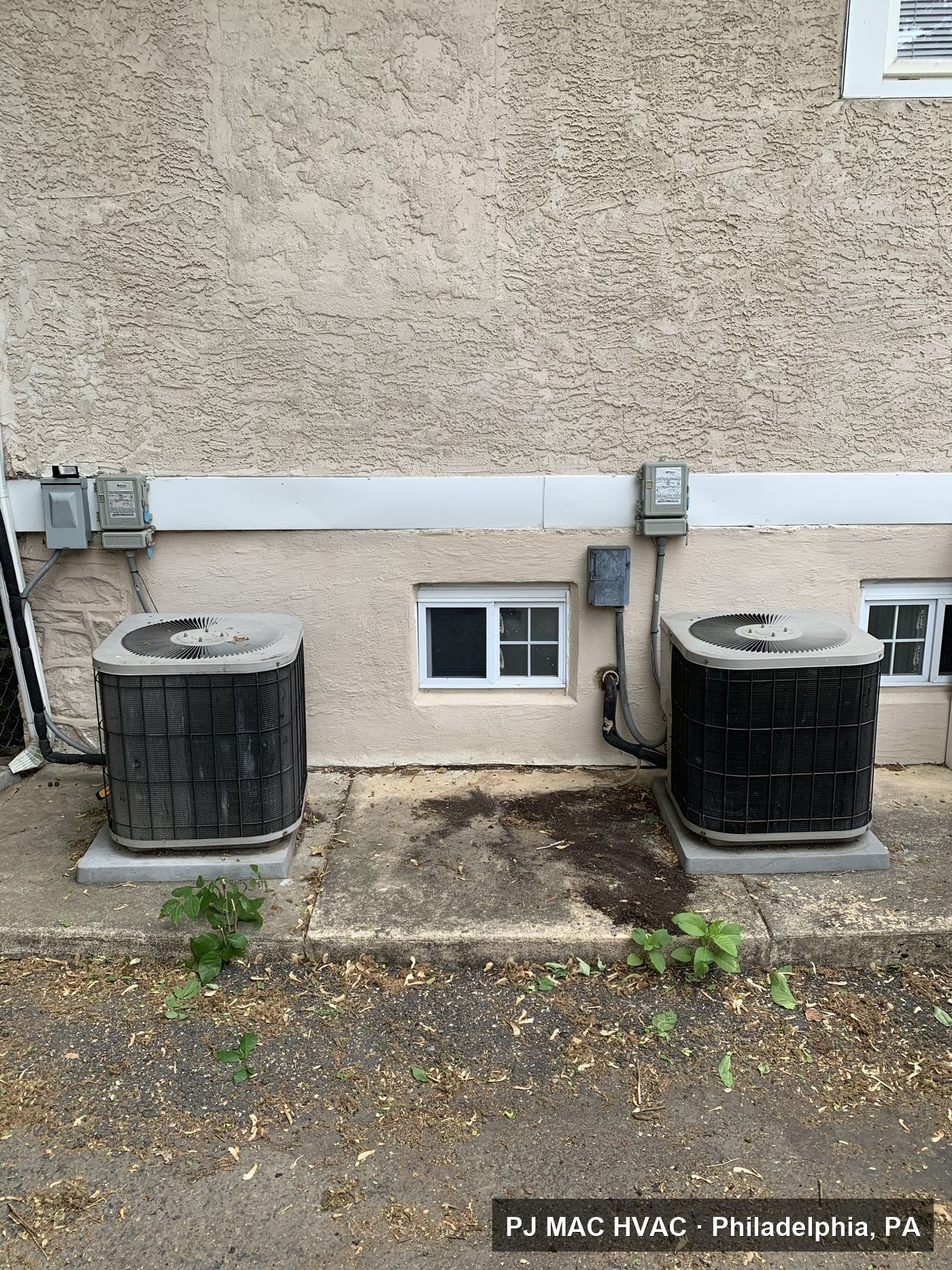
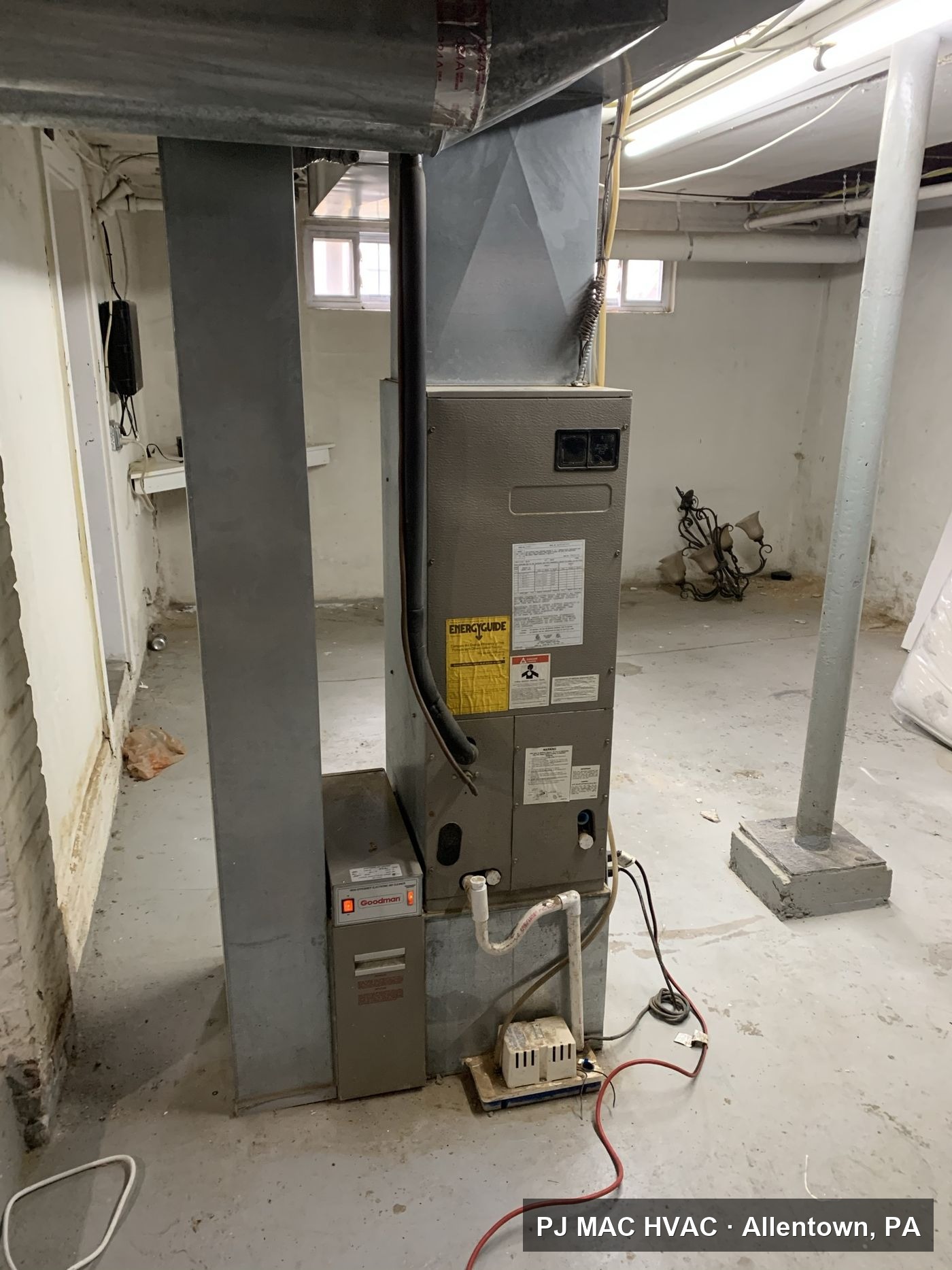
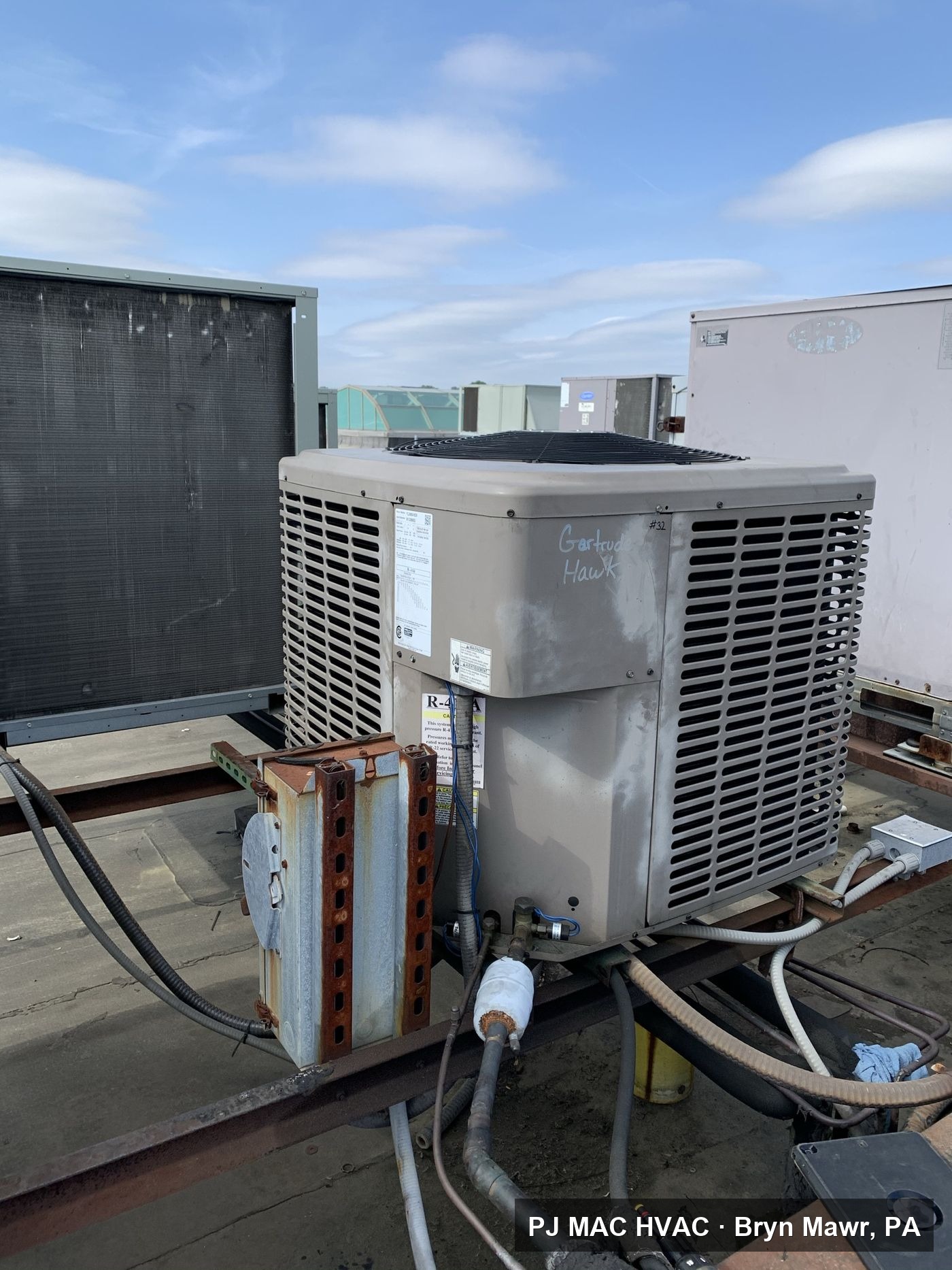
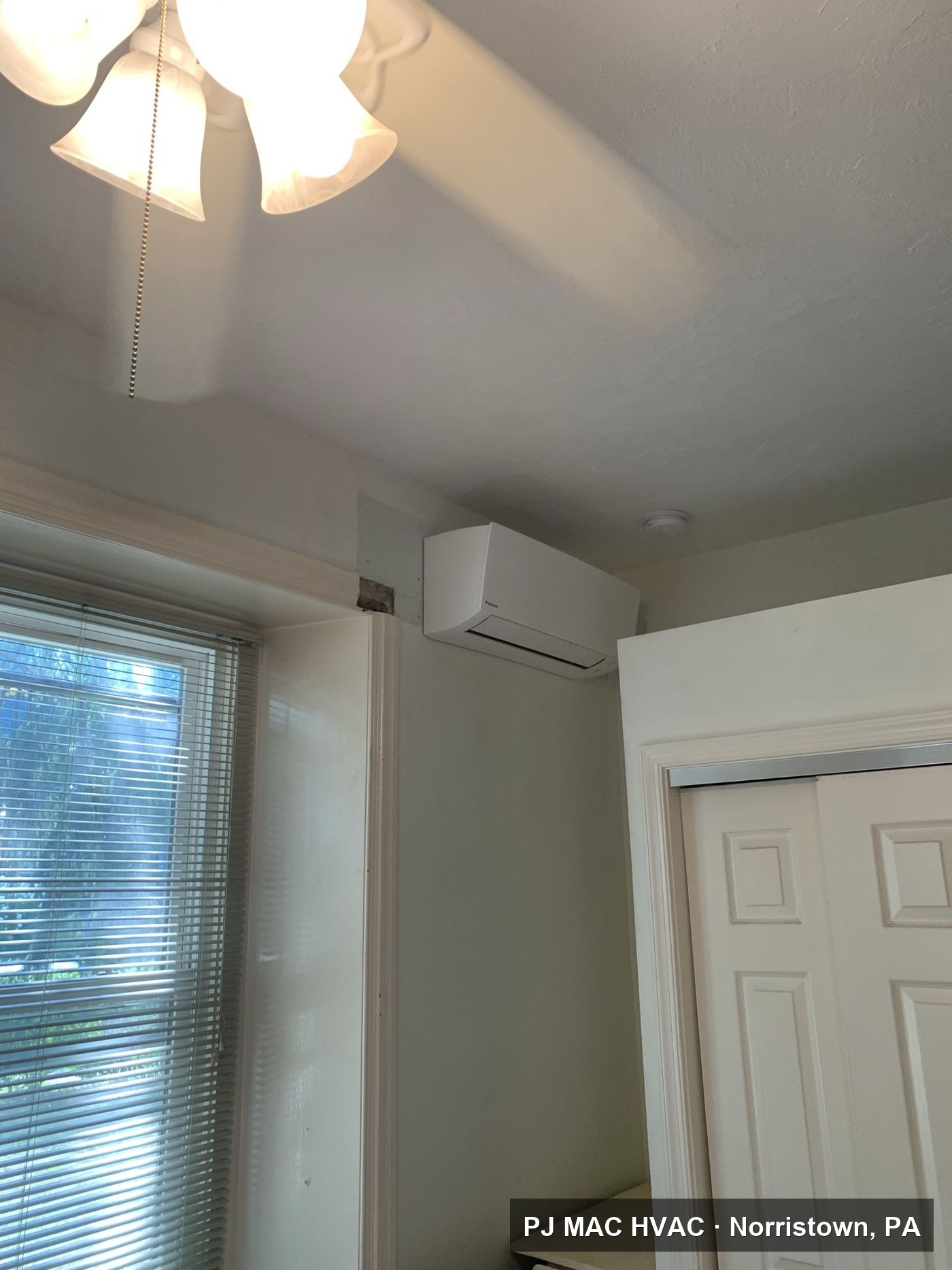
AC Installation — recent jobs
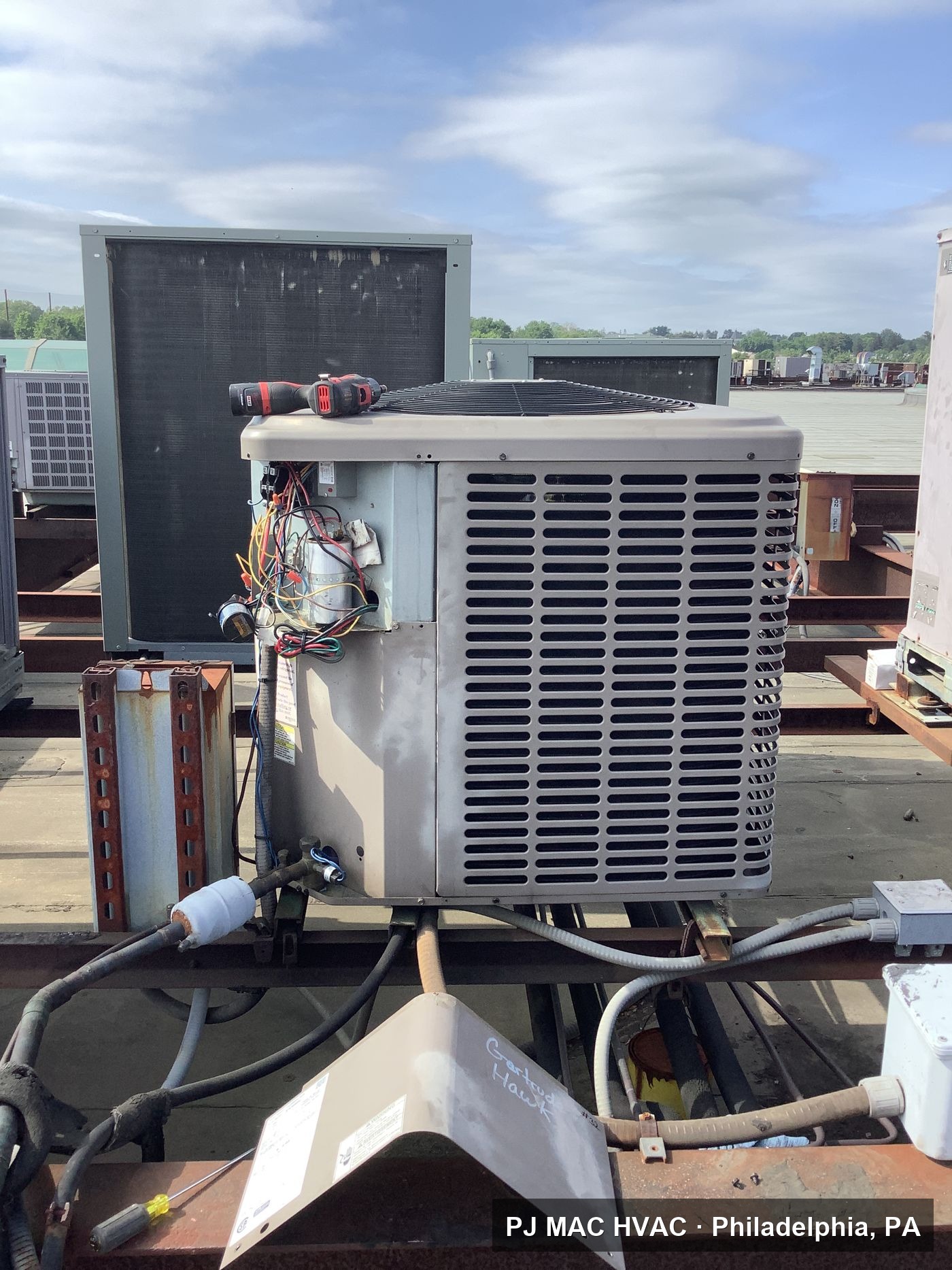
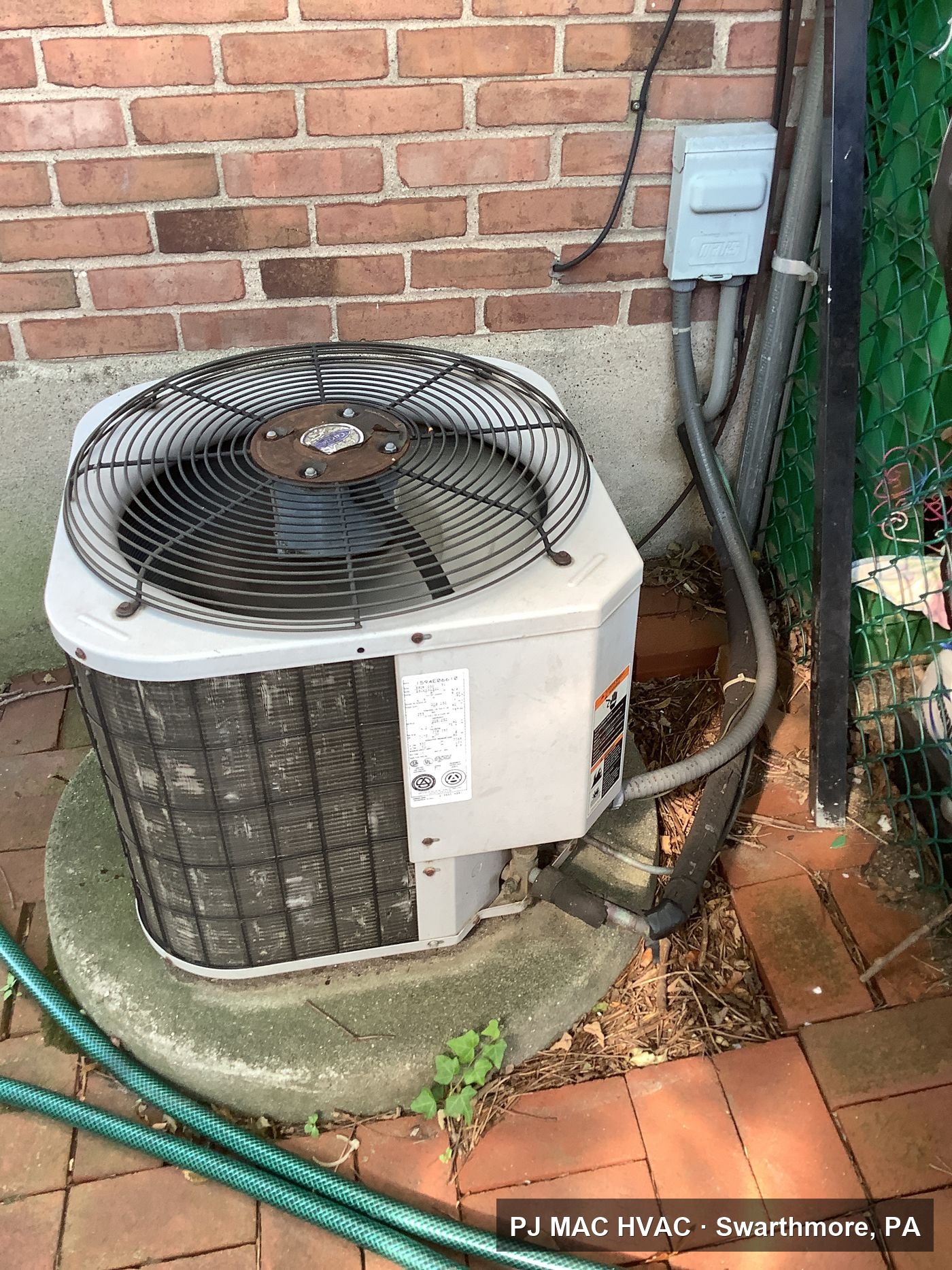
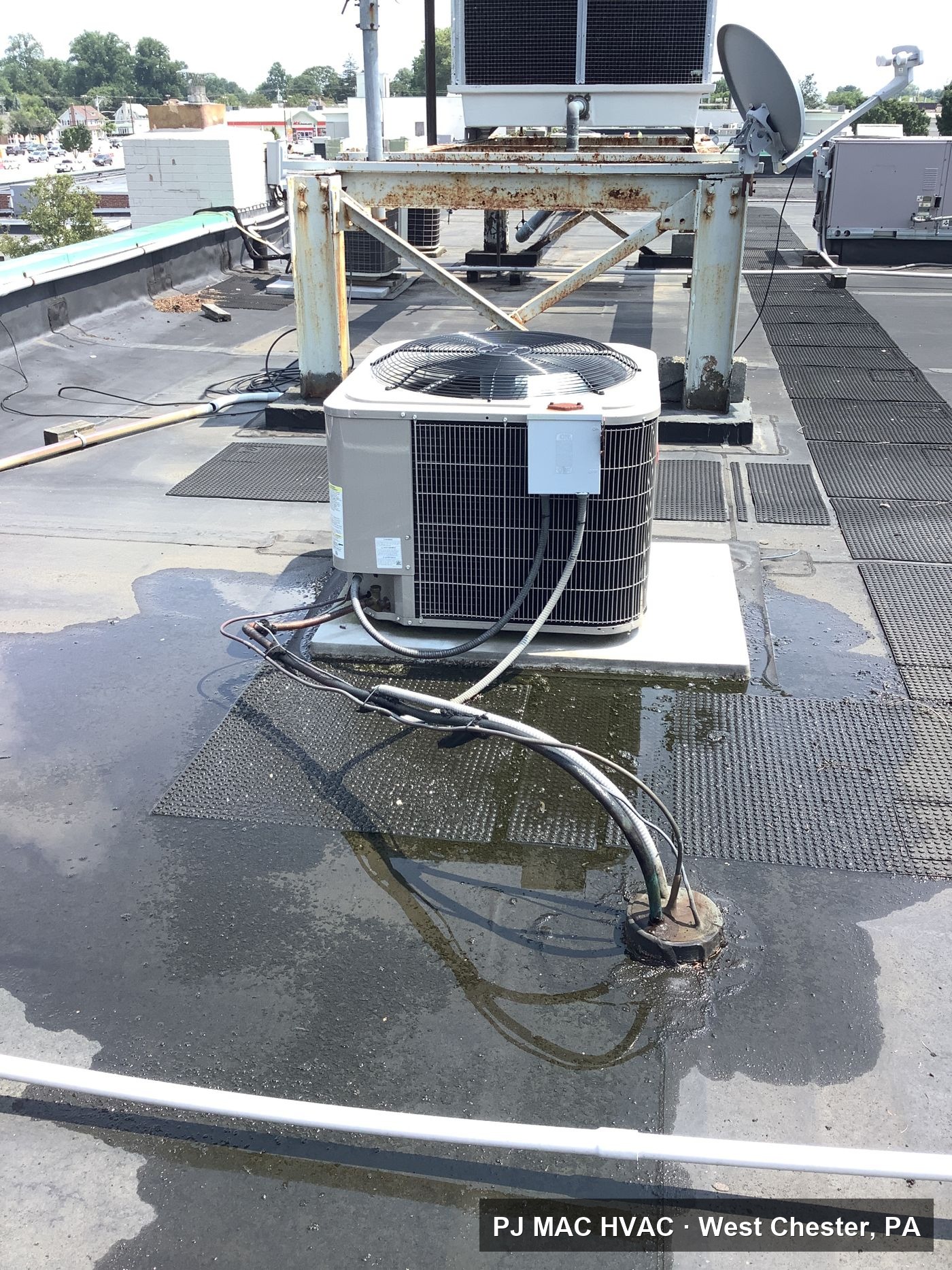
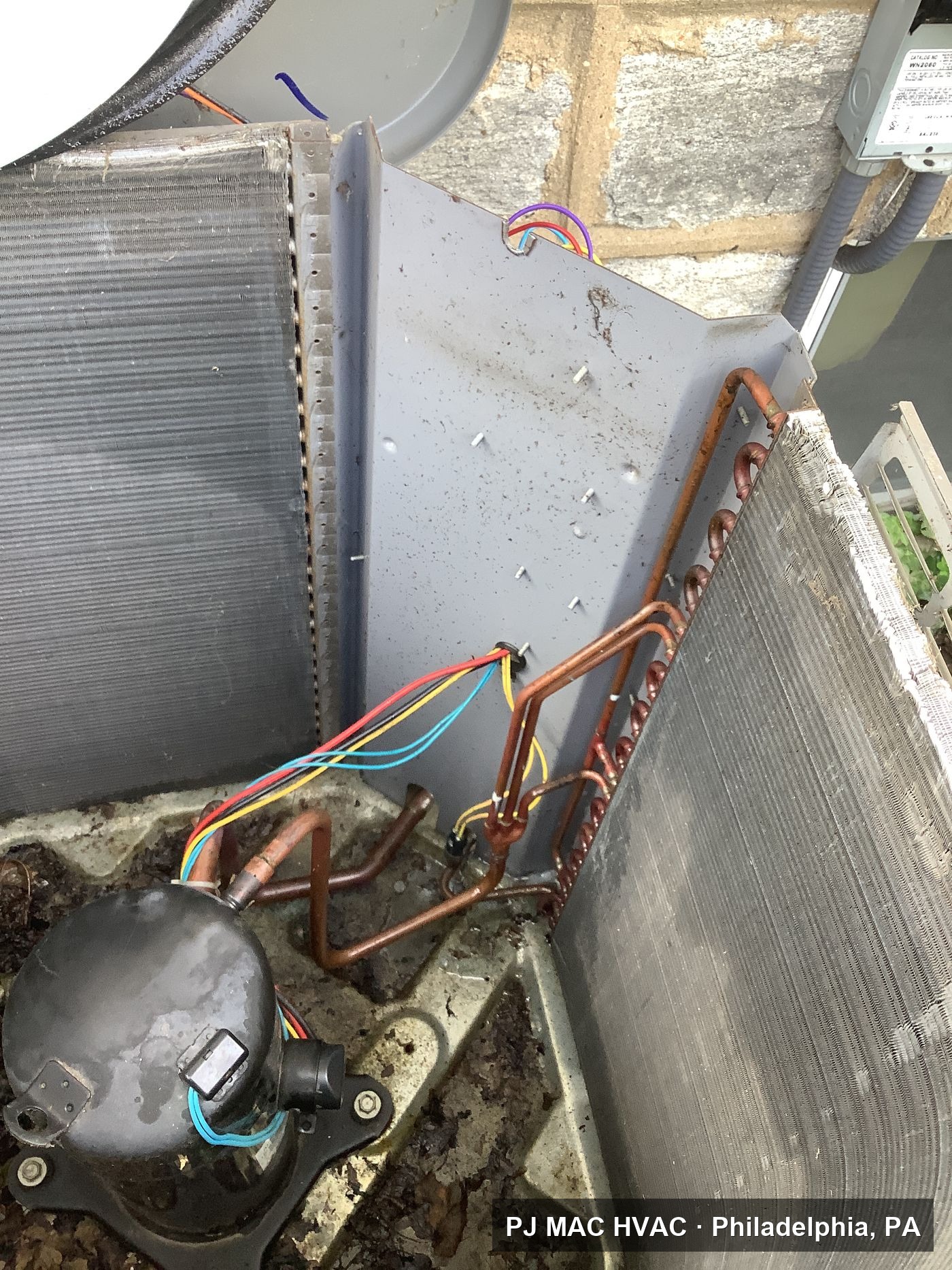
Real photos from our technicians, not stock imagery.